Comprehending the Importance of Infection Control Risk Assessment (ICRA) Training for Restoration Specialists
Infection Control Risk Assessment (ICRA) training plays an essential role in the restoration industry, especially in healthcare settings, where preventing the spread of infections is crucial. As restoration companies work in environments that may be compromised by contaminants or pathogens, understanding ICRA principles helps to maintain safety standards and protect both workers and occupants.
What is ICRA Training?
ICRA training is designed to educate restoration specialists about the principles and practices of infection prevention in construction and restoration settings, particularly in healthcare facilities. The training covers topics such as identifying potential infection risks, implementing mitigation strategies, and adhering to industry standards and regulations. It also emphasizes the importance of maintaining a clean and safe work environment to prevent the transmission of infectious agents.
Key Components of ICRA Training
Restoration technicians learn how to assess the level of infection risk in each environment by identifying potential sources of contamination, evaluating exposure pathways, and determining appropriate control measures. ICRA training teaches restoration specialists how to effectively communicate infection prevention procedures and protocols to workers, occupants, and other stakeholders to minimize the risk of exposure.
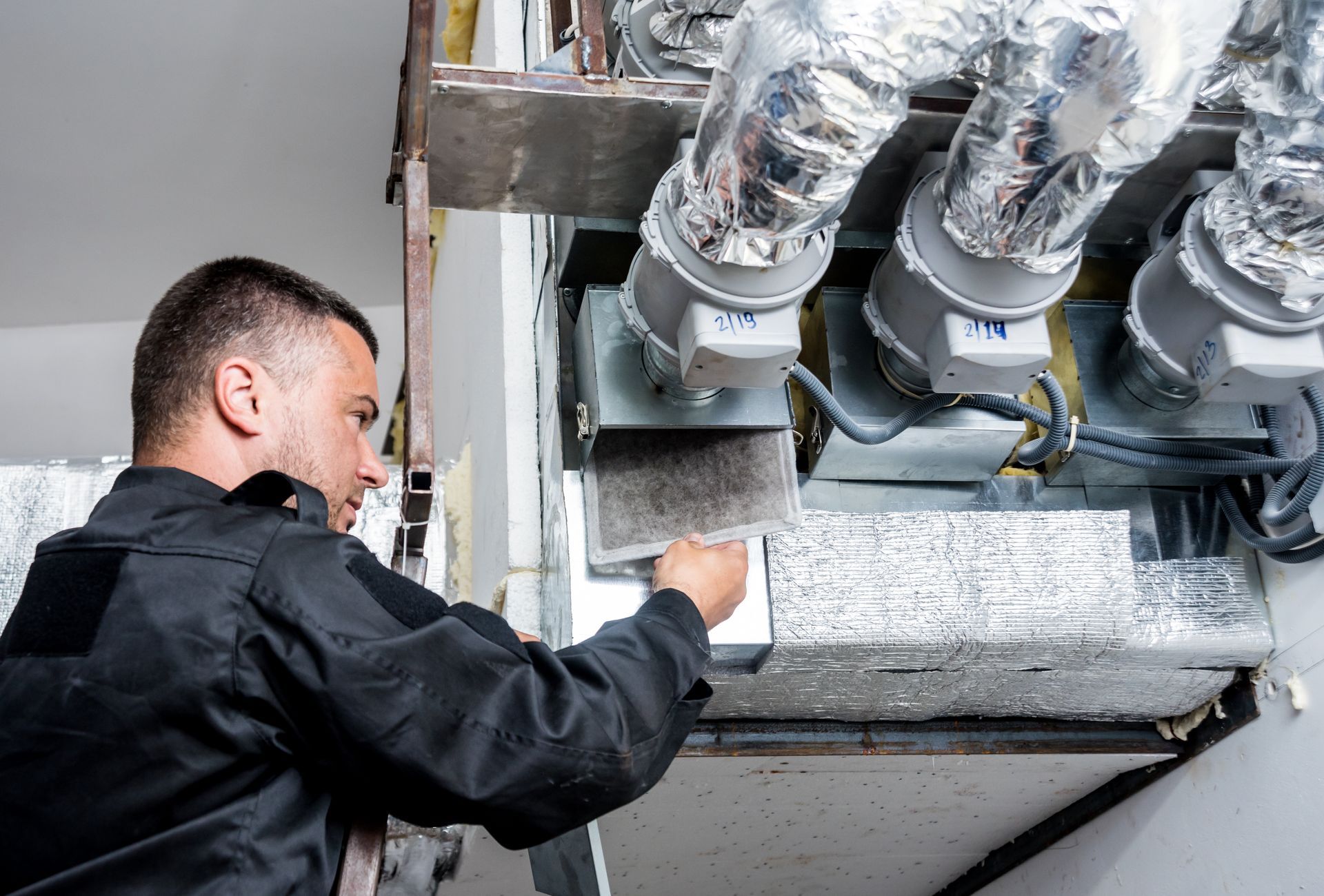
These specialists are trained to implement engineering controls, such as containment barriers, negative air pressure systems, and HEPA filtration, to prevent the spread of airborne contaminants during restoration projects. ICRA training emphasizes the importance of using appropriate PPE, such as respirators, gloves, and protective clothing, to protect against exposure to hazardous materials and pathogens.
Importance of ICRA Training
By implementing ICRA principles, restoration experts can minimize the risk of infection transmission to occupants, patients, and healthcare staff, thereby safeguarding public health and safety. This training ensures that restoration specialists comply with regulatory requirements and industry standards for infection control in healthcare and other high-risk environments.
Our team of professionals at Guarantee Restoration Services are highly experienced in infection prevention and control.