Mold Remediation Following a Hurricane
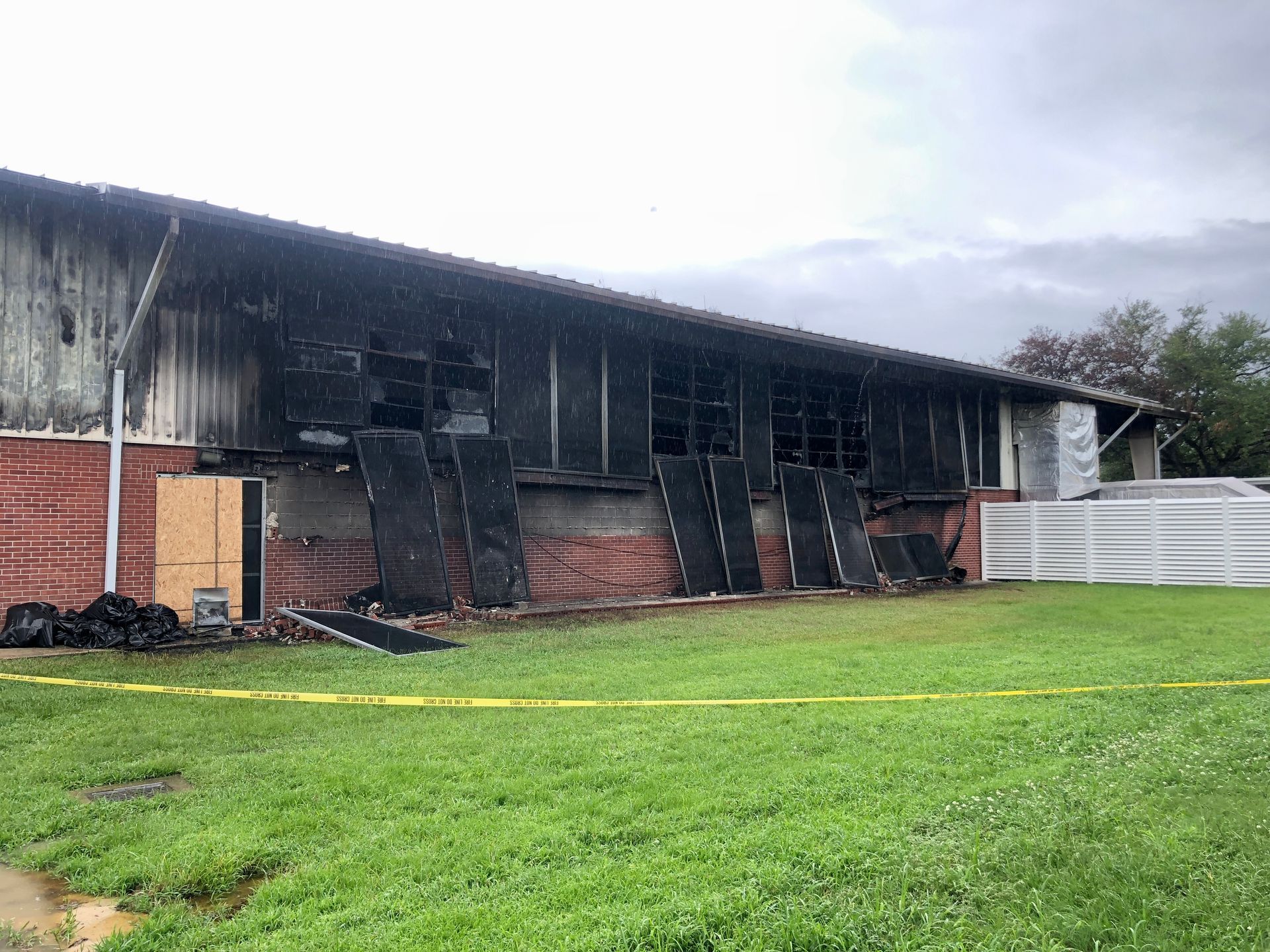
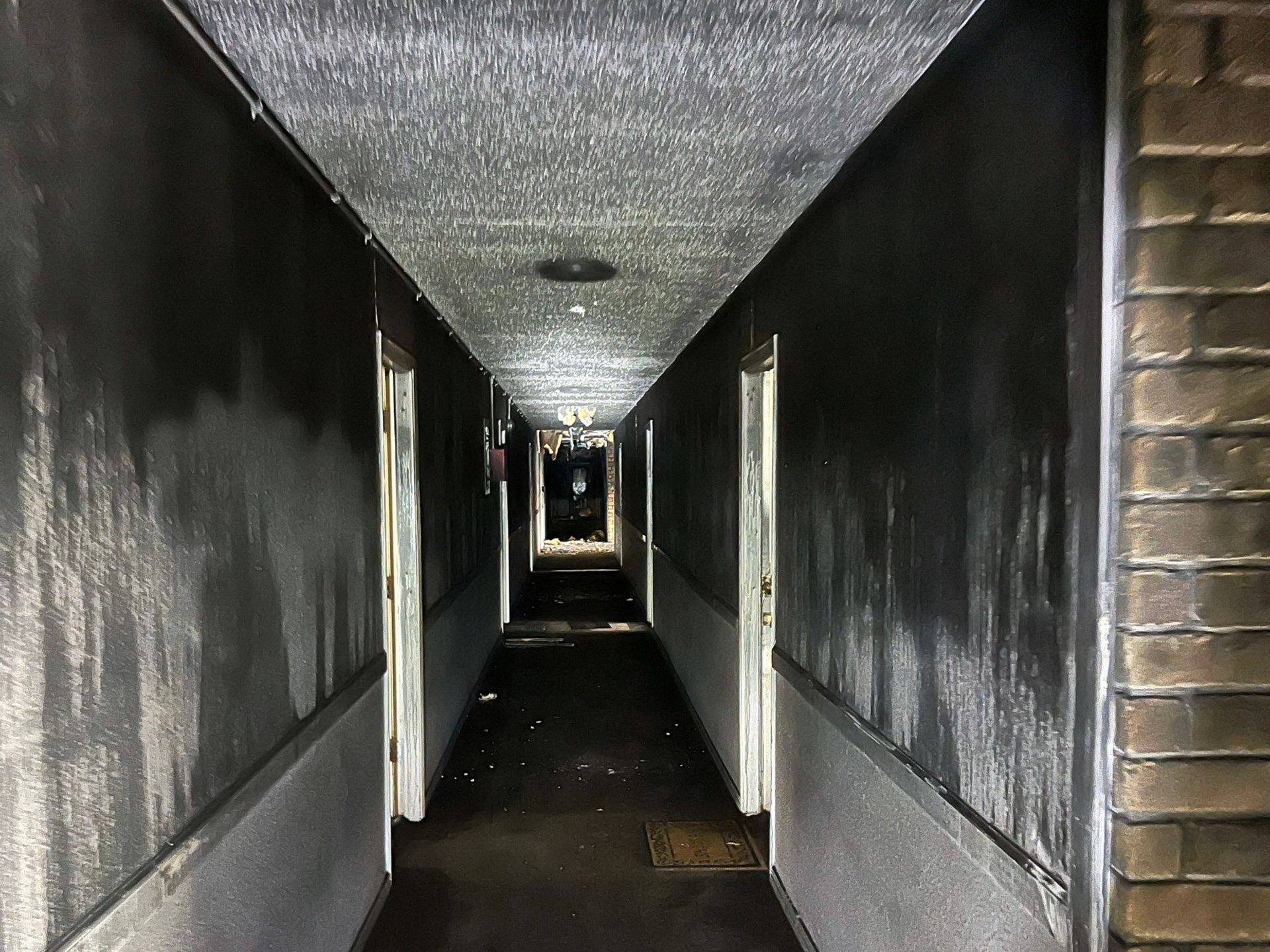
Residents along the Gulf Coast have become reluctant experts on water damage. From Katrina to the flood of 2016 to the most recent battering from Hurricane Ida, our communities have vast experience with natural disasters resulting in extensive water damage to our homes or businesses. You probably already know that mold is among the greatest concerns when water has impacted a structure. You may also know that mold begins to develop within 24 to 48 hours, requiring swift and thorough action. But, what if mold was missed? What if you are several weeks or even months out from a hurricane and are now suspecting that previously undetected mold exists?
Signs of Underlying Mold
Perhaps you initially believed that mold had been entirely eradicated because visible signs were cleaned, repaired, or replaced. Mold, however, particularly in our humid climate, is rarely limited to the areas seen on the surface. If you begin to notice any of the signs below, there is a strong likelihood that you have a mold problem.
· An odor that may be described as “musty” or “earthy”
· Increased problems with allergies
· Surface abnormalities on your walls such as peeling, bubbling, or cracking
· Discoloration of walls
· Increased utility bills
Preventing Mold Growth After a Storm
In order to ensure the complete removal of mold, professional restoration experts should be consulted. While there are some steps home or business owners can take on their own to restore their home, mold in particular is an element that should not be handled without proper knowledge. Too often, the presence of mold within walls goes completely undetected, leading not only to structural damage but to serious health risks as well.
Guarantee Restoration utilizes the most efficient mold detection systems and processes for complete removal. Our process includes the following steps that ensure total remediation and protection of any occupants:
1. Mold testing to fully identify the presence of all mold anywhere within the structure
2. Containment barrier to prevent any additional spread of mold
3. Air quality control with air filtration devices to remove airborne spores
4. Removing affected building materials
5. Cleaning, disinfecting, and rebuilding of the area
6. Clearance testing to ensure no mold remains
If you have begun to suspect the presence of mold in your home, do not wait. Contact your mold remediation experts at GRS immediately to confirm your suspicions and begin the removal process.
Zack Klein
Director of Marketing and Business Development
225-268-6939
Zack Klein is the Director of Marketing and Business Development at Guarantee Restoration Services. He celebrated his 7th anniversary with the company in June 2021. To connect with him, visit LinkedIn or send him an email.