Fire Prevention Along the Gulf Coast: Common Risks and Safety Tips

Zack Klein • October 15, 2025

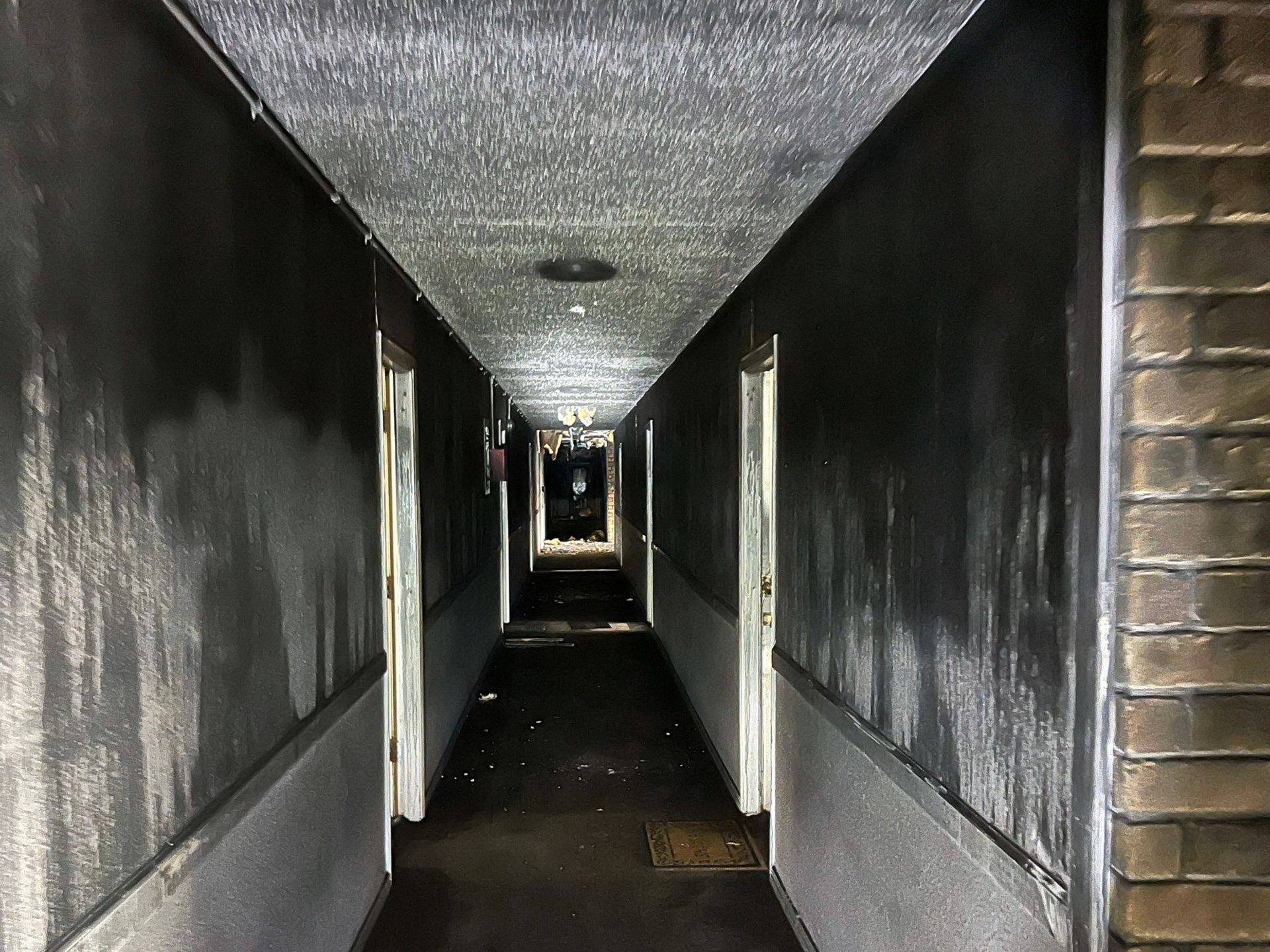
October is National Fire Prevention Month, a reminder to commercial property owners along the Gulf Coast of the importance of taking steps to reduce fire risks. While fires can start unexpectedly, many of the most common causes are preventable. Understanding these risks and taking proactive measures can significantly reduce the chances of property damage, business interruption, and safety hazards. 


Common Causes of Fires in Gulf South Commercial Properties 

Fires in commercial buildings often stem from a few key sources that become more dangerous as the year progresses: 


  • Heating Equipment: As cooler months approach, space heaters, furnaces, and other heating systems are widely used. When placed too close to flammable objects or improperly maintained, they become a leading cause of commercial fires. 
  • Cooking and Food Service: Restaurants, break rooms, and catering areas are common sites for fire accidents. Unattended stovetops, grease fires, and improper cooking methods can create serious hazards. 
  • Electrical Issues: Hurricanes and severe storms are frequent in the Gulf Coast region, which can damage wiring, outlets, or power systems, increasing the risk of fire if repairs are delayed. 
  • Flammable Materials: Many commercial spaces store flammable items such as cleaning chemicals, paint, and fuels, which can ignite quickly if not handled or stored properly. 


Fire Risks in the Gulf South During Fall and Winter 

More fires occur during the cooler months than at any other time of year, and the Gulf Coast is no exception. November is typically the region’s driest month, which can facilitate the spread of fires more easily. Combined with increased heating system use and seasonal business operations, the end of the year poses higher risks for commercial properties. 


Fire Prevention Tips for Commercial Properties 

Reducing fire risks in commercial buildings starts with awareness and preparation. Key steps include: 


  • Educate employees on fire safety by creating a fire escape plan, regularly reviewing it, and ensuring that fire extinguishers are accessible and staff are properly trained on their use. 
  • Test smoke alarms and fire systems regularly to confirm they are working correctly. Replace batteries at least twice a year and maintain all detection equipment according to the manufacturer's guidelines. 
  • Manage fire hazards in storage and work areas by storing flammable materials safely, keeping workspaces free of unnecessary combustible items, and monitoring areas with heat or cooking equipment for potential risks. 
  • Inspect and maintain heating and electrical systems with professional evaluations of furnaces, space heaters, wiring, and circuit systems to reduce the likelihood of fire caused by equipment failure. 


How to Prevent Fires in Commercial Properties 

While no one can predict when a fire might occur, taking proactive measures significantly reduces risks and protects people, property, and business operations. For commercial property owners along the Gulf Coast, fire prevention isn’t just about compliance, it’s about safeguarding employees, customers, and long-term business continuity. Guarantee Restoration Services encourages property managers and business owners to use Fire Prevention Month as an opportunity to review risks, implement safeguards, and prepare for the months ahead. 
TALK TO A RESTORATION EXPERT
By Adrianne Hungerford June 3, 2026
Hidden moisture can damage commercial buildings long before it's visible. Learn the risks, warning signs, and importance of professional mitigation.
By Jeremy Cryer May 27, 2026
On the Gulf Coast, preparation isn’t optional. It’s simply a part of doing business. From hurricane season to heavy rain events and everything in between, properties in Lafayette face a different level of risk than most. And when something does happen, the difference between a smooth recovery and a stressful situation often comes down to one thing: having a plan in place with the right team. Why Pre-Loss Planning Looks Different in Lafayette Pre-loss planning looks a little different here because the risks are different. It’s not just about knowing where your shutoffs are or having a list of contacts. It’s about understanding how quickly a storm can shift, how water can move through a property, and how to respond when multiple buildings or locations are impacted at once. That kind of preparation requires more than a template. It requires local knowledge. At Guarantee Restoration Services, our Lafayette team builds pre-loss plans with that in mind. We take into account the specific challenges that come with properties in Acadiana, including wind-driven rain, tornado threats, and the potential for widespread damage across an entire area. That allows us to create a plan that is realistic, not just theoretical. The Importance of Having a Clear Path Forward “We’ve seen how quickly things can escalate during a storm event. Having a pre-loss plan in place gives our clients a clear path forward instead of trying to figure it out in the middle of the chaos,” said Craig Rose, Mitigation Manager at our Lafayette Branch. That “clear path forward” is what makes the biggest difference. When a storm hits, response times are everything, but so is access. Roads can be blocked, power can be out, and communication can be limited. A strong pre-loss plan accounts for those variables and ensures that response efforts can begin as soon as it is safe to do so. Protecting Operations, Employees, and Tenants It also helps property teams stay focused on what matters most. Instead of trying to coordinate vendors, track down information, or make high-pressure decisions, they can follow a plan that has already been built around their property and their priorities. From a business standpoint, that level of preparation protects more than just the building. It protects operations, tenants, employees, and timelines. Building Trust Before Disaster Strikes “Pre-loss planning is about building trust before there’s ever a problem. Our clients know who to call, what to expect, and how we’re going to support them when something happens,” said Paige Hebert, Business Development Representative in Lafayette. That trust and familiarity matter, especially in a region where large-scale events can impact entire communities at once. You are not just calling a company, you are calling a team that already understands your property, your risks, and your expectations. Be Realistic. Be Ready. Pre-loss planning on the Gulf Coast is not about over-preparing. It is about being realistic and ready. Because when the next storm comes through Lafayette, it is not a matter of if you will need a plan—it is a matter of how well that plan works when it is put to the test. Call us today to schedule your Pre-Loss Planning meeting where 24/7 is not just a number… it’s a GUARANTEE!
By Shawn Folks May 20, 2026
When a disaster strikes and a loss happens, the clock starts immediately. The first 24 hours after a storm event or a fire loss are the most critical for any property. It is at this time that major decisions need to be made, the damage is either controlled or spreads, and the path to recovery is determined. These decisions are often rushed, unclear, and reactive without a plan in place. This is where having a pre-loss plan makes a measurable and meaningful difference. A pre-loss plan creates a clear starting point for you and your team instead of scrambling to figure out who to call, what steps to take, or how to protect the property. It removes reactive hesitation and replaces it with action to recover. Everyone involved knows their role and understands the process, allowing them to move quickly without second guessing. Speed matters in restoration. Water continues to spread; materials continue to deteriorate, and secondary damage, like mold, can begin in as little as 24 to 48 hours. The faster a response is initiated, the more damage can be contained. Pre-loss planning allows that response to begin immediately, not hours or days later. Other than fast action, it also brings clarity during a very chaotic and challenging moment. Property managers, facility teams, and business owners are not left out in the dark trying to make high-pressure decisions on the spot. Instead, they are following a plan that has already been thoroughly thought through, discussed, and tailored to their specific property’s needs. Communication can become fragmented without a plan. Another advantage to pre-loss planning is coordination. There are several moving parts including emergency services, restoration teams, and insurance carriers. Having a plan streamlines communication ensuring that everyone involved is aligned from the start. At Guarantee Restoration Services, pre-loss planning is designed to support the exact moment the dust settles. It’s not just about preparing documents to sign ahead of time; it’s about setting up our partners and clients to respond with confidence when it matters the most. From established points of contact to documented site conditions and response protocols, everything is built to protect time, reduce damage, and maintain control.  Many people think preparation is about preventing the worst from happening. Rather, it is about being ready when it happens. Because when those first 24 hours hit, you do not want to be figuring things out. You want to be executing a well-formulated, personalized plan for recovery. Call us today...where 24/7 isn’t just a number, it’s a GUARANTEE!
VIEW ALL BLOGS