The Importance of Floor and Wall Replacement After Water Damage: Mold, Humidity, and Moisture Considerations

Taylor Millet • November 20, 2024

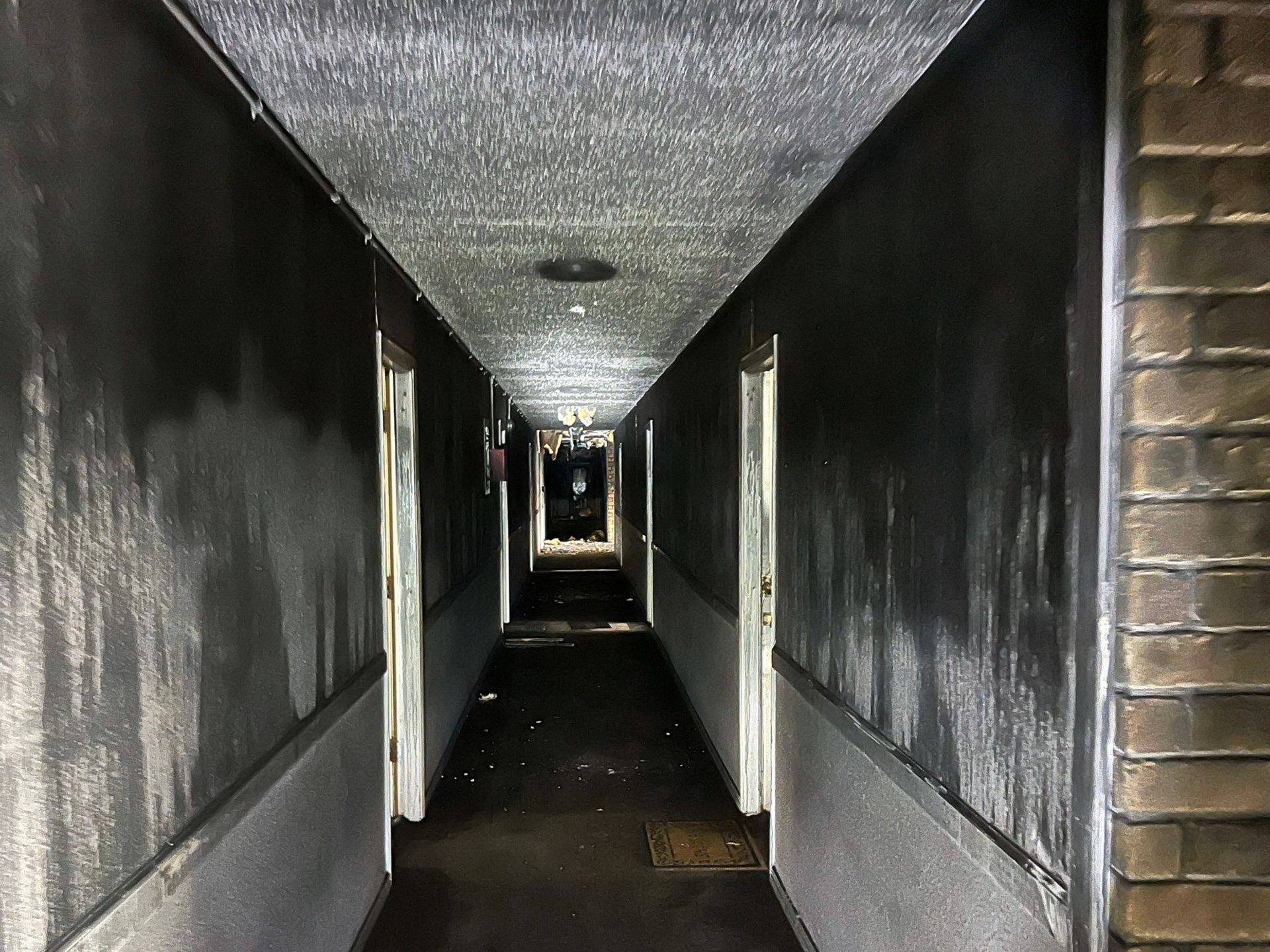
Water damage can happen unexpectedly and leave a lasting impact on your home or business. Whether caused by a burst pipe, a leaking roof, or a flood, the damage may extend beyond the visible signs of wet floors or walls. While it might be tempting to dry things out and move on, the reality is that water damage can lead to hidden problems that must be addressed thoroughly—especially when it comes to flooring and walls. Failing to properly replace damaged materials can result in long-term structural issues, the growth of mold, and unhealthy living conditions.


Why Floor and Wall Replacement is Necessary

When water damages your property, it doesn’t just affect the surface. Water can seep into floorboards, subfloors, drywall, and insulation, causing structural damage that can weaken the integrity of your building. Even after the initial cleanup, moisture can remain trapped within these materials, leading to the potential for mold growth and other hazards.


Hidden Moisture and Structural Issues After Water Damage

Water can penetrate deep into the layers of your floors and walls, creating pockets of trapped moisture. Over time, this moisture can compromise the structural integrity of the materials, weakening floors, and walls from the inside out. If left unchecked, these areas may warp, buckle, or even rot, requiring more extensive and costly repairs later.


The Risk of Mold Growth After Water Damage

Mold thrives in dark, damp environments, making water-damaged floors and walls an ideal breeding ground. If moisture remains, mold can start to grow within 24 to 48 hours. Mold not only damages materials but also poses significant health risks, especially for those with respiratory conditions or weakened immune systems. Inhaling mold spores can lead to allergic reactions, asthma attacks, and other respiratory issues.


Once mold takes hold, simple cleaning won’t solve the problem. Replacing water-damaged materials ensures that mold remediation is thorough and effective, reducing the chance of mold regrowth.


Humidity Control During Water Damage Restoration

Controlling indoor humidity is crucial after a water damage event. High humidity levels create a conducive environment for mold and mildew to thrive. Restoration professionals will use dehumidifiers and air movers to reduce the humidity in the affected areas, helping to speed up the drying process and prevent further damage. Keeping humidity levels below 60% is critical to halting mold growth.


By addressing both immediate and hidden moisture issues, you can ensure a thorough and lasting recovery from water damage.


The Floor and Wall Replacement Process During Water Damage Restoration

When it comes to water-damaged floors and walls, the most effective solution is often full replacement.


Water Damaged Floor Replacement

Water-damaged floors, whether hardwood, laminate, or carpet, can absorb water and warp over time. The subfloor may also be damaged, so replacement is required to ensure that the new flooring is laid on a solid foundation. A full assessment of the floor’s condition will help determine which layers need replacing.


Water Damaged Wall Replacement

Drywall and insulation can absorb water like a sponge, and once saturated, they often need to be removed and replaced. Water can weaken studs and framing inside the walls, which may require reinforcement or replacement.


By leveraging the expertise of a professional restoration and mold remediation company, you can ensure that your property is not only restored to its pre-damage condition but also protected from future problems. The experts at Guarantee Restoration Services are here to help with the latest techniques and technology. If you’ve experienced water damage of any kind, time is of the essence, schedule a consultation today.
GET STARTED
By Adrianne Hungerford June 3, 2026
Hidden moisture can damage commercial buildings long before it's visible. Learn the risks, warning signs, and importance of professional mitigation.
By Jeremy Cryer May 27, 2026
On the Gulf Coast, preparation isn’t optional. It’s simply a part of doing business. From hurricane season to heavy rain events and everything in between, properties in Lafayette face a different level of risk than most. And when something does happen, the difference between a smooth recovery and a stressful situation often comes down to one thing: having a plan in place with the right team. Why Pre-Loss Planning Looks Different in Lafayette Pre-loss planning looks a little different here because the risks are different. It’s not just about knowing where your shutoffs are or having a list of contacts. It’s about understanding how quickly a storm can shift, how water can move through a property, and how to respond when multiple buildings or locations are impacted at once. That kind of preparation requires more than a template. It requires local knowledge. At Guarantee Restoration Services, our Lafayette team builds pre-loss plans with that in mind. We take into account the specific challenges that come with properties in Acadiana, including wind-driven rain, tornado threats, and the potential for widespread damage across an entire area. That allows us to create a plan that is realistic, not just theoretical. The Importance of Having a Clear Path Forward “We’ve seen how quickly things can escalate during a storm event. Having a pre-loss plan in place gives our clients a clear path forward instead of trying to figure it out in the middle of the chaos,” said Craig Rose, Mitigation Manager at our Lafayette Branch. That “clear path forward” is what makes the biggest difference. When a storm hits, response times are everything, but so is access. Roads can be blocked, power can be out, and communication can be limited. A strong pre-loss plan accounts for those variables and ensures that response efforts can begin as soon as it is safe to do so. Protecting Operations, Employees, and Tenants It also helps property teams stay focused on what matters most. Instead of trying to coordinate vendors, track down information, or make high-pressure decisions, they can follow a plan that has already been built around their property and their priorities. From a business standpoint, that level of preparation protects more than just the building. It protects operations, tenants, employees, and timelines. Building Trust Before Disaster Strikes “Pre-loss planning is about building trust before there’s ever a problem. Our clients know who to call, what to expect, and how we’re going to support them when something happens,” said Paige Hebert, Business Development Representative in Lafayette. That trust and familiarity matter, especially in a region where large-scale events can impact entire communities at once. You are not just calling a company, you are calling a team that already understands your property, your risks, and your expectations. Be Realistic. Be Ready. Pre-loss planning on the Gulf Coast is not about over-preparing. It is about being realistic and ready. Because when the next storm comes through Lafayette, it is not a matter of if you will need a plan—it is a matter of how well that plan works when it is put to the test. Call us today to schedule your Pre-Loss Planning meeting where 24/7 is not just a number… it’s a GUARANTEE!
By Shawn Folks May 20, 2026
When a disaster strikes and a loss happens, the clock starts immediately. The first 24 hours after a storm event or a fire loss are the most critical for any property. It is at this time that major decisions need to be made, the damage is either controlled or spreads, and the path to recovery is determined. These decisions are often rushed, unclear, and reactive without a plan in place. This is where having a pre-loss plan makes a measurable and meaningful difference. A pre-loss plan creates a clear starting point for you and your team instead of scrambling to figure out who to call, what steps to take, or how to protect the property. It removes reactive hesitation and replaces it with action to recover. Everyone involved knows their role and understands the process, allowing them to move quickly without second guessing. Speed matters in restoration. Water continues to spread; materials continue to deteriorate, and secondary damage, like mold, can begin in as little as 24 to 48 hours. The faster a response is initiated, the more damage can be contained. Pre-loss planning allows that response to begin immediately, not hours or days later. Other than fast action, it also brings clarity during a very chaotic and challenging moment. Property managers, facility teams, and business owners are not left out in the dark trying to make high-pressure decisions on the spot. Instead, they are following a plan that has already been thoroughly thought through, discussed, and tailored to their specific property’s needs. Communication can become fragmented without a plan. Another advantage to pre-loss planning is coordination. There are several moving parts including emergency services, restoration teams, and insurance carriers. Having a plan streamlines communication ensuring that everyone involved is aligned from the start. At Guarantee Restoration Services, pre-loss planning is designed to support the exact moment the dust settles. It’s not just about preparing documents to sign ahead of time; it’s about setting up our partners and clients to respond with confidence when it matters the most. From established points of contact to documented site conditions and response protocols, everything is built to protect time, reduce damage, and maintain control.  Many people think preparation is about preventing the worst from happening. Rather, it is about being ready when it happens. Because when those first 24 hours hit, you do not want to be figuring things out. You want to be executing a well-formulated, personalized plan for recovery. Call us today...where 24/7 isn’t just a number, it’s a GUARANTEE!
VIEW ALL BLOGS