Storm Preparedness And Other Health Concerns
Today, September 30th marks the last day of National Preparedness Month (NPM), which is purposely placed amid hurricane season. NPM was established to promote family and community disaster planning not only in September, but throughout the year.
BE PREPARED FOR ANYTHING, AT ANYTIME
There are a lot of things you can do to prepare yourself for a natural disaster, such as a tropical storm, hurricane, flood, forest fire or earthquake. Of course, your preparations should be centered around the region you live. Not everyone is affected by hurricanes or forest fires.
The first and easiest thing to do is create an emergency supply kit. Oftentimes, you may have many of these supplies already on-hand. The Red Cross recommends that you make a stay at home kit for 2 weeks, as well as an evacuation kit (for 3 days in a to-go bag). They suggest making sure you have a month supply of prescription and over-the-counter medications, as well. Additionally, do not forget to protect personal, financial, insurance, medical and other important records.
EXTRA PRECAUTIONS DUE TO COVID-19
Following a natural disaster, the risk for epidemic outbreaks gets higher as well. This has been especially concerning for 2020, as the coronavirus has continued to severely impact the world. The Center for Disease Control and Prevention has dedicated a page on its website specifically for COVID-19-centered precautionary measures. Some of these include:
- Giving yourself more time than you usually would to prepare your emergency supplies.
- If you are unable to use home delivery services, take steps to protect your and others’ health when running essential errands.
- Protect yourself and others when filling prescriptions by limiting in-person visits to the pharmacy as much as possible.
- Pay attention to local guidance about evacuation recommendations and updated plans for shelters, which includes shelters for your pets.
- Follow everyday preventive actions that have been suggested since the pandemic began, such as covering coughs and sneezes; washing your hands often; and avoiding touching your eyes, nose, and mouth with unwashed hands.
- In addition to the Red Crosses’ supply recommendations above, you should also include items that can help protect you and others from COVID-19: hand sanitizer with at least 60% alcohol, bar or liquid antibacterial soap, disinfectant wipes and two masks per person in your household.
POST-NATURAL DISASTERS: TYPICAL SOURCES OF HEALTH CONCERNS
While preparedness is key, it is also important to be also be mindful of the health risks that come about after major weather events, like hurricanes. Over the last several decades alone, natural disasters have killed millions of people and harmfully affected the lives of billions more. Besides the extensive structural damage they cause, earthquakes, hurricanes, floods, and other natural calamities have grave social, economic, and health consequences as well. The following paragraphs will explain some of the most typical health risks.
Some common health risks include:
- The shortage of fresh food, which often results in malnutrition for many individuals. In turn, this weakens the immune systems of the people in the affected area, making them more susceptible to illnesses.
- Communicable diseases spread more quickly and more easily after natural disasters.
- This is due to limited access to safe water and lack of proper sanitation. These pose a risk of infections and gastrointestinal problems (including, diarrhea, hepatitis, and various other bacterial diseases can be transmitted by direct contact with contaminated water).
- The crowded living conditions and poor hygiene levels in emergency shelters also facilitate the transmission of infectious diseases.
COMING HOME AFTER A NATURAL DISASTER
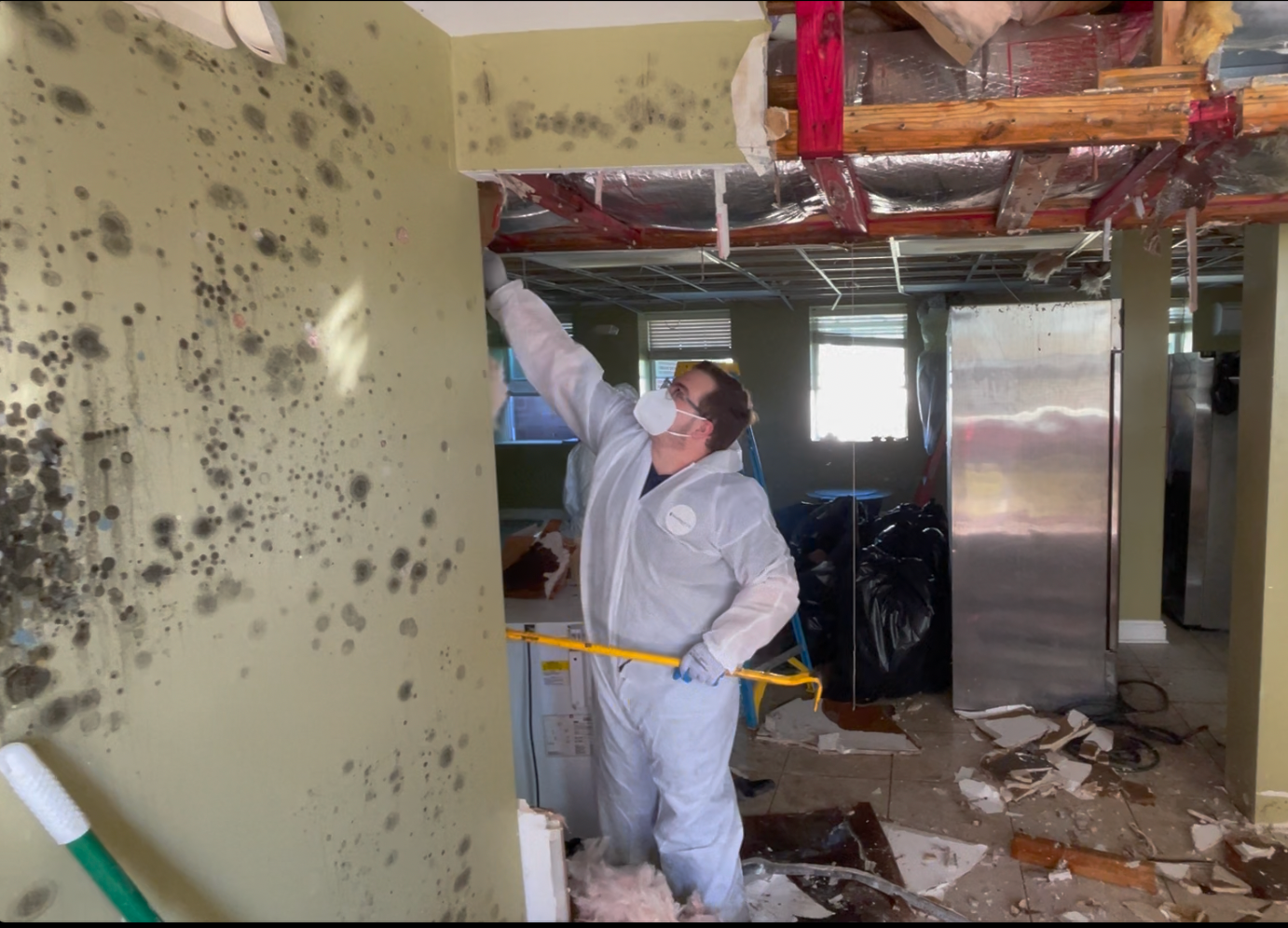
When people return home after a disaster, their health and safety may be compromised by unsanitary and/or hazardous living conditions in the house. From ruptured gas lines, to stagnant water containing bacteria, to mold growth and vermin infestation, there are various risk factors that can result in personal injuries and serious diseases. Therefore, proper precautions should be taken to ensure the safety and well-being of the residents of the home.
- Structural damage and debris, which includes, but is not limited to: falling structural elements, exposed cables and electrical wires, downed power lines and ruptured gas lines, broken glass and splintered woodwork. All of these things can cause serious injuries, electric shocks, and even carbon monoxide poisoning.
- Floodwater and Stagnant Water pose several risks to the people in disaster-ridden communities:
- Many times after a storm, floodwater is polluted with sewage and chemicals and contains various, harmful toxins. If it has come in contact with any household items and materials, it will have contaminated them as well.
- Touching or using any household items before they have been thoroughly disinfected may result in skin infections, stomach problems, and conjunctivitis.
- If there is stagnant water in or near the home, it may also contain bacteria that can cause gastrointestinal problems and various infections if it touches open wounds or mucous membranes.
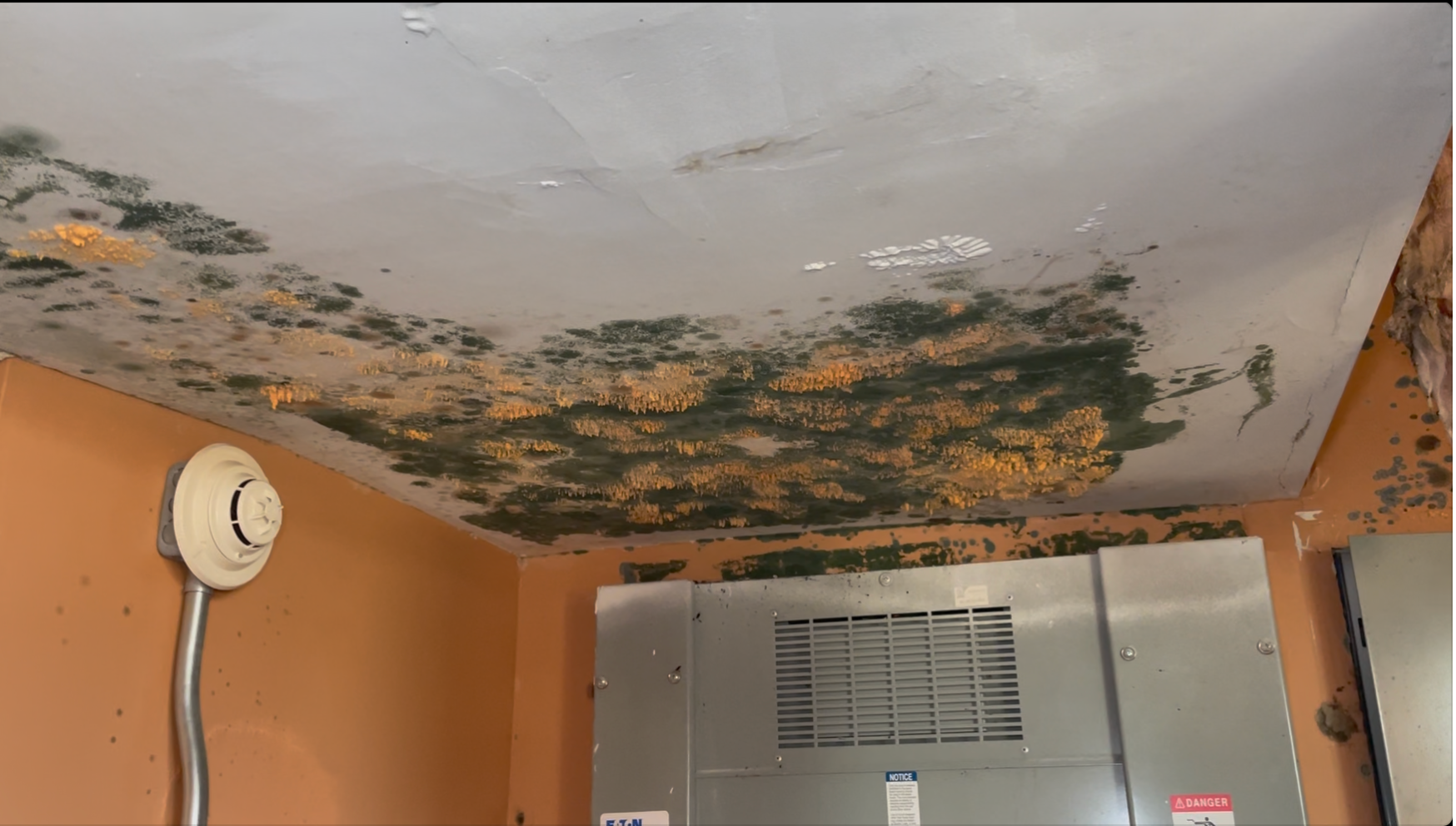
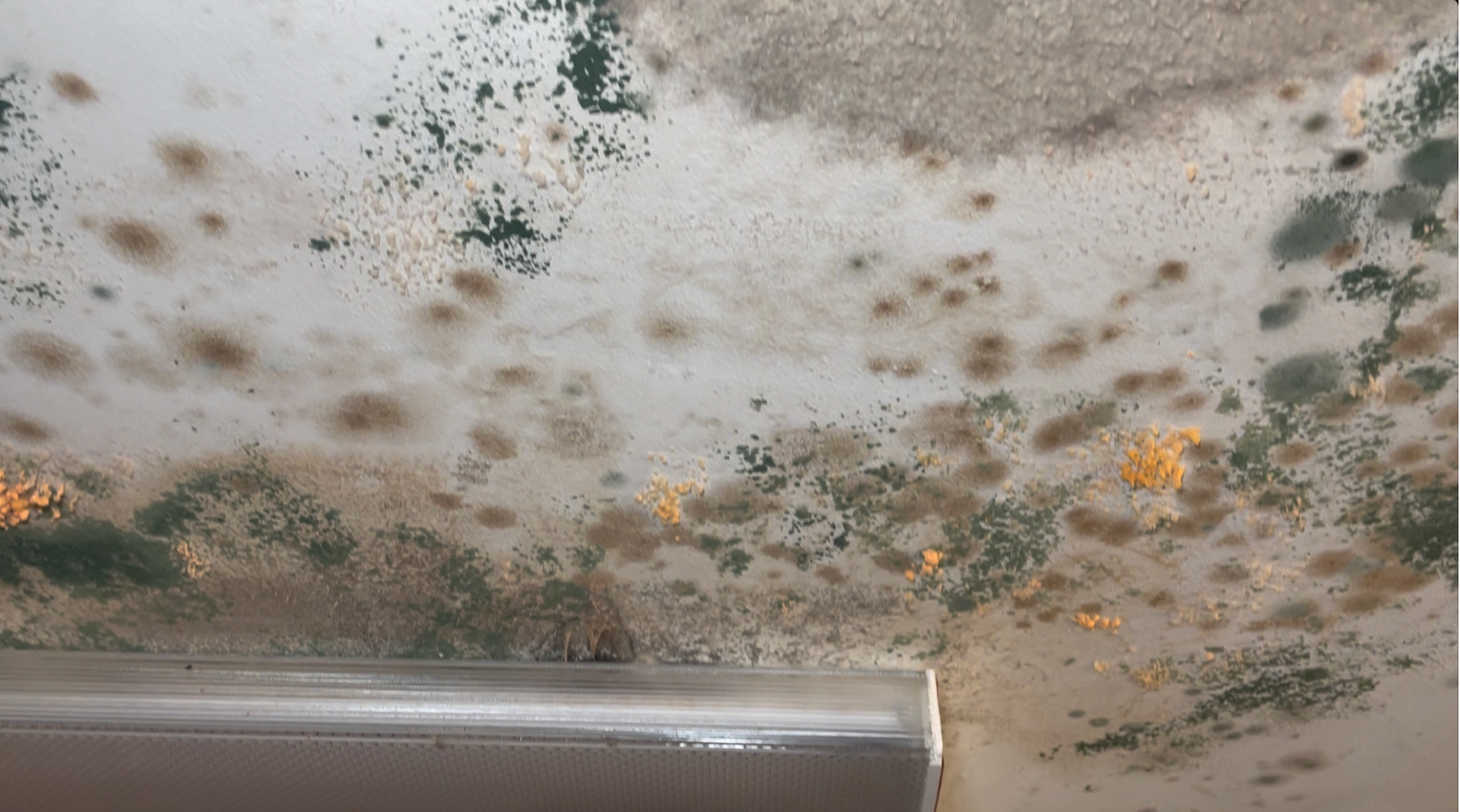
- Mold
- When the correct conditions are present (ample organic food and abundant moisture), mold growth can begin within 48 hours.
- Mold spreads very fast in humid environments that are caused by natural disasters, like floods and hurricanes and will quickly affect large parts of the home.
- These harmful microorganisms not only cause significant structural damage, but will also have a negative impact on the health of the residents as well.
- For individuals, it can activate a variety of allergy symptoms and other serious health issues, such as headaches, dizziness, respiratory problems, sinus infections, eye irritations and rashes. Mold can even aggravate conditions like asthma or chronic obstructive pulmonary disease (also known as, COPD).
- Environmental Toxins
- Lead and asbestos are present in various construction materials that were commonly utilized before the 1970s.
- They are safe when undisturbed, but hurricanes, earthquakes, and other natural disasters can cause considerable damage to floors, walls, insulation, siding, shingling and other structural elements that contain asbestos and/or lead.
- Consequently, lead dust and asbestos fibers may be released in the air. If inhaled or ingested, these microscopic toxins can cause respiratory problems and long-lasting health issues.
24/7 IS NOT JUST A NUMBER
As the leading property restoration company along the Gulf Coast, our mission is to serve friends, family and partners by delivering effective solutions, providing honest and dependable services while ensuring continuity for their lives and businesses. Natural disasters are out of our control, but our team is always ready to respond, restore, and re-occupy. That’s why 24/7 is not just a number, it’s a GUARANTEE. Contact us today at 800-349-HELP (4357) or email info@guaranteerstoration.net.