What to Do When a Storm Damages Your Roof
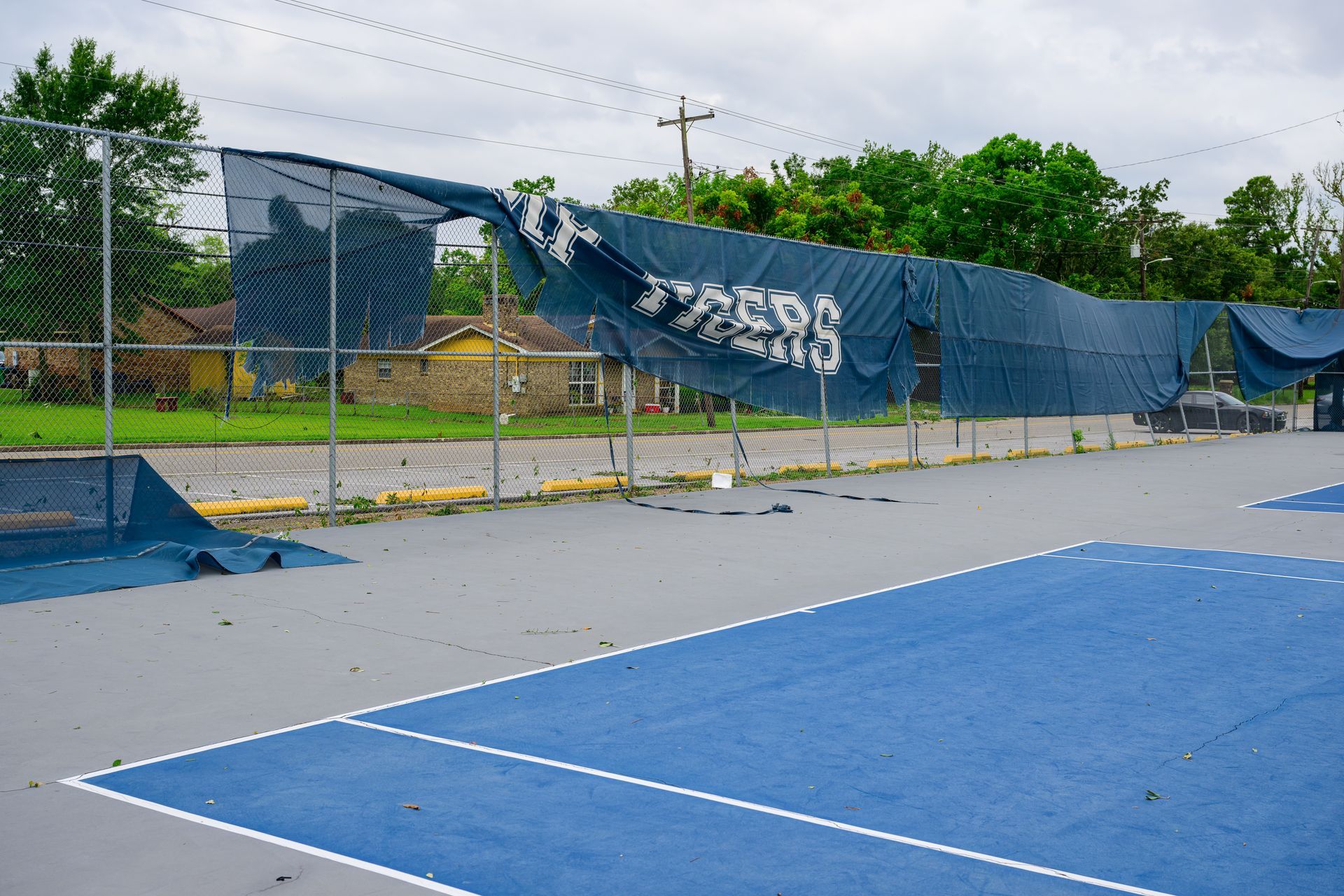
Severe weather can damage a roof within minutes. High winds can lift or remove shingles, falling limbs can puncture roofing materials, and heavy rain can quickly turn even a small opening into a much larger water damage problem.
If you suspect roof damage after a storm, the priority isn’t immediately replacing the roof. It is protecting the property from additional damage.
What Should You Do After Storm Damage to Your Roof?
First, stay safe. Never climb onto a storm damaged roof yourself. Loose materials, wet surfaces, and structural damage can create dangerous conditions.
From a safe location, look for signs of damage such as:
- Missing or lifted shingles
- Fallen trees or limbs
- Visible openings or punctures
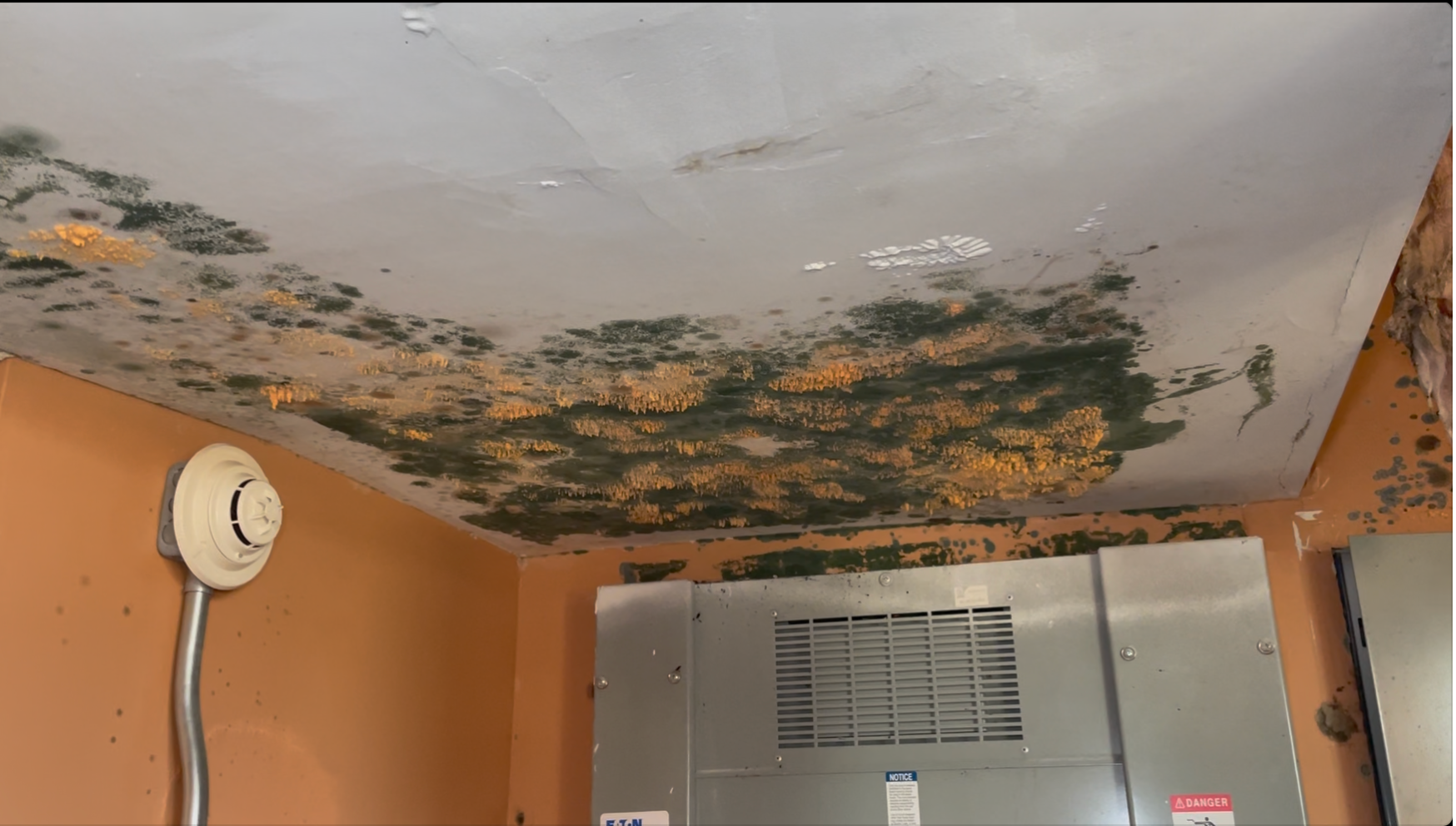
- Water stains on ceilings or walls
- Active leaks or wet materials
If your roof has been compromised, emergency roof tarping can help protect the damaged area until permanent repairs can be made.
Why Is Emergency Roof Tarping Important?
A damaged roof can allow rain to enter your property and turn a roofing problem into a much larger water damage issue.
Emergency roof tarping creates a temporary barrier over damaged areas to help prevent additional water intrusion. This can help protect your attic, insulation, ceilings, walls, flooring, and contents while permanent roof repairs are coordinated.
What if Water is Already Inside?
If water has already entered your property, covering the damaged area is only part of the solution.
Water can travel through insulation, drywall, ceilings, and other building materials. Professional water mitigation can help identify affected areas, remove excess water, dry wet materials, and reduce the risk of additional damage.
Storm Damage? Guarantee Restoration Services is here to help protect your property and start the recovery process where 24/7 isn’t just a number…it’s a GUARANTEE!