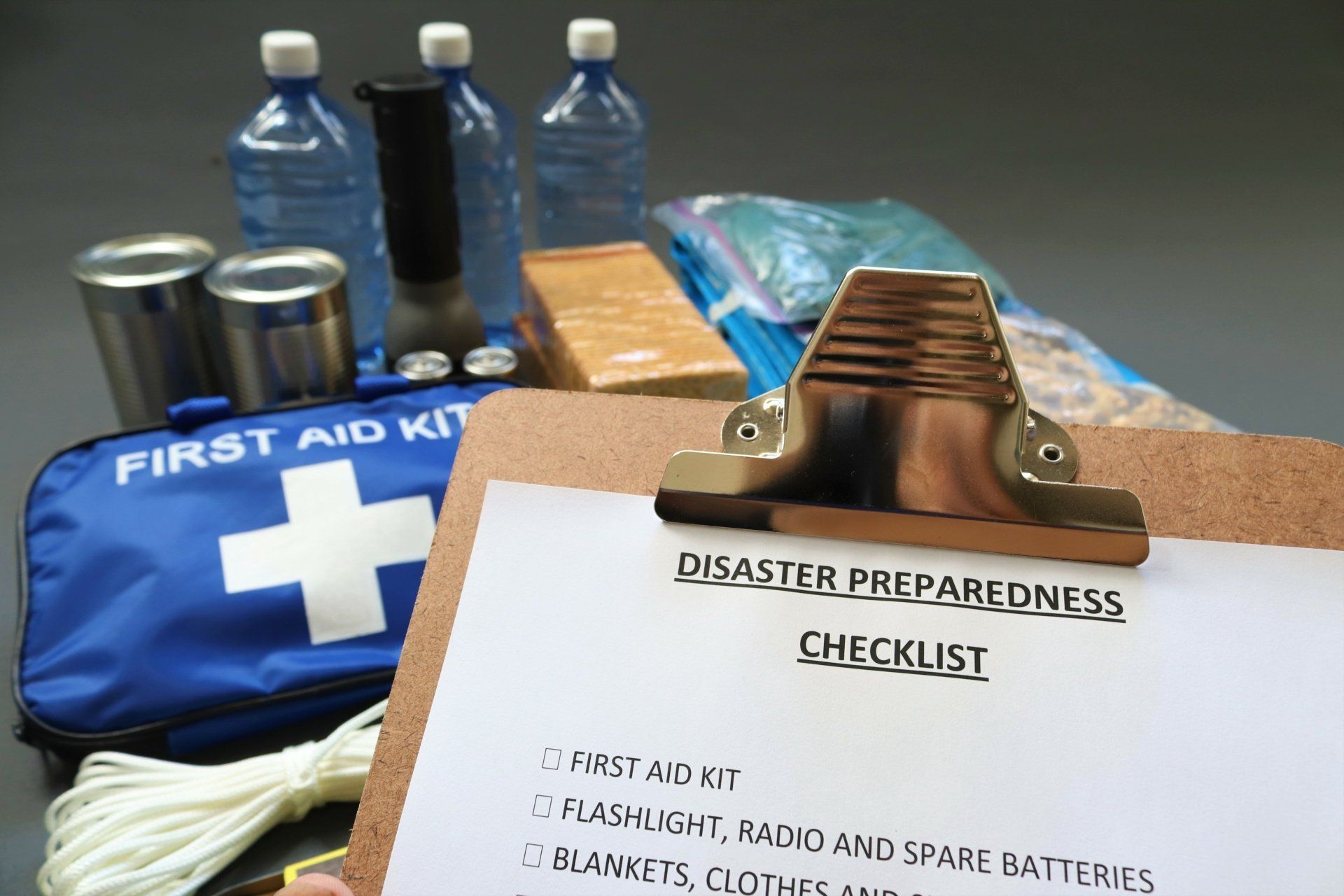
New Orleans Healthcare Restoration: Infection Control in Active Medical Facilities

Jarrett Lee • February 25, 2026

New Orleans is home to a dense network of hospitals, clinics, and specialty medical facilities that serve patients from across the region. When damage occurs in these environments, restoration work must be handled with care to protect patient safety and maintain daily medical operations.


At Guarantee Restoration Services, we understand the demands of restoring healthcare facilities in New Orleans while they remain active and operational. Our experience working in complex medical environments allows us to manage recovery efforts while supporting continuity of care.


Healthcare Restoration Challenges in New Orleans

Healthcare facilities in New Orleans operate in fast-paced, high-demand environments. Patient volumes, specialized treatment areas, and around-the-clock operations leave little room for disruption during restoration.


“Restoring healthcare facilities in New Orleans comes with unique challenges because these buildings never truly shut down. Our team is trained to work within active hospitals and clinics while respecting the critical need for uninterrupted patient care and daily operations.” - Chris Murray, Branch Manager


When damage occurs, whether from water intrusion, fire, or another event, restoration work often must proceed while patients and staff remain onsite. Infection control plays a critical role in protecting patients, staff, and daily medical operations during restoration work. These conditions require careful coordination and disciplined controls throughout the recovery process.

TALK WITH OUR HEALTHCARE RESTORATION TEAM

Why Infection Control Is Critical in Active Medical Facilities

In healthcare environments, even small lapses in infection control can have serious consequences. Airborne particles and contaminants generated during restoration can migrate beyond work areas if not properly managed, increasing the risk to immunocompromised patients.


"In active medical settings, protecting patients comes first. Our restoration process is designed to prevent contaminants from traveling beyond the work zone, ensuring safety for both healthcare staff and those receiving care.” - Michael Bucalan, Mitigation Manager


Maintaining infection control helps ensure that restoration work does not introduce additional hazards. By isolating work zones and managing environmental conditions, healthcare facilities can continue delivering critical care while recovery is underway.


Containment and Environmental Control During Healthcare Restoration

Containment plays a vital role in healthcare restoration projects across New Orleans. Isolating affected areas helps prevent dust and debris from spreading into patient care spaces, administrative areas, and shared environments.


“Our experience in New Orleans medical facilities has shown that environmental control is key. By managing airflow and sealing off work zones, we help prevent disruption while supporting safe, compliant restoration.” - Webster Bertinot, Lead Technician 


Environmental controls, including airflow management, further support infection control by limiting the movement of airborne contaminants. These controls are a core part of how we approach healthcare restoration at Guarantee Restoration Services.


Healthcare Restoration Experience in New Orleans Medical Facilities

Healthcare restoration requires more than technical skill. It requires familiarity with active medical environments and an understanding of how restoration decisions impact patient care and daily operations.


That depth of knowledge is reflected in the healthcare restoration work performed by Guarantee Restoration Services across New Orleans. Our teams coordinate restoration efforts around hospital operations, staff workflows, and patient needs to ensure work progresses safely and efficiently.


Restoring healthcare facilities in New Orleans requires a careful balance between recovery and ongoing care. By maintaining infection control, supporting continuity of operations, and applying local insight, we help medical facilities restore their environments while continuing to serve the communities that rely on them.
START YOUR RESTORATION
By Shawn Folks May 20, 2026
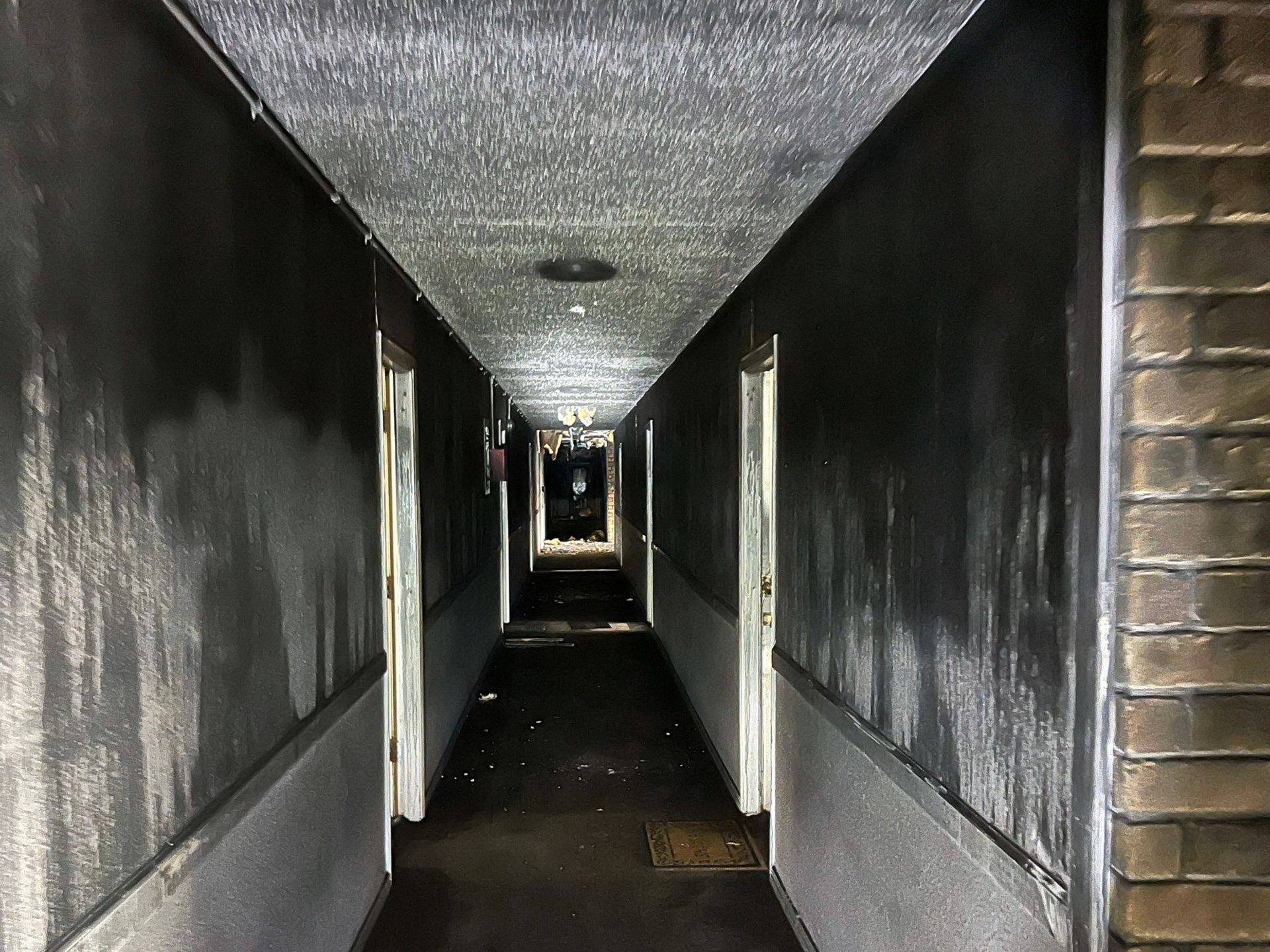
When a disaster strikes and a loss happens, the clock starts immediately. The first 24 hours after a storm event or a fire loss are the most critical for any property. It is at this time that major decisions need to be made, the damage is either controlled or spreads, and the path to recovery is determined. These decisions are often rushed, unclear, and reactive without a plan in place. This is where having a pre-loss plan makes a measurable and meaningful difference. A pre-loss plan creates a clear starting point for you and your team instead of scrambling to figure out who to call, what steps to take, or how to protect the property. It removes reactive hesitation and replaces it with action to recover. Everyone involved knows their role and understands the process, allowing them to move quickly without second guessing. Speed matters in restoration. Water continues to spread; materials continue to deteriorate, and secondary damage, like mold, can begin in as little as 24 to 48 hours. The faster a response is initiated, the more damage can be contained. Pre-loss planning allows that response to begin immediately, not hours or days later. Other than fast action, it also brings clarity during a very chaotic and challenging moment. Property managers, facility teams, and business owners are not left out in the dark trying to make high-pressure decisions on the spot. Instead, they are following a plan that has already been thoroughly thought through, discussed, and tailored to their specific property’s needs. Communication can become fragmented without a plan. Another advantage to pre-loss planning is coordination. There are several moving parts including emergency services, restoration teams, and insurance carriers. Having a plan streamlines communication ensuring that everyone involved is aligned from the start. At Guarantee Restoration Services, pre-loss planning is designed to support the exact moment the dust settles. It’s not just about preparing documents to sign ahead of time; it’s about setting up our partners and clients to respond with confidence when it matters the most. From established points of contact to documented site conditions and response protocols, everything is built to protect time, reduce damage, and maintain control.  Many people think preparation is about preventing the worst from happening. Rather, it is about being ready when it happens. Because when those first 24 hours hit, you do not want to be figuring things out. You want to be executing a well-formulated, personalized plan for recovery. Call us today...where 24/7 isn’t just a number, it’s a GUARANTEE!
By Christina Mullins May 13, 2026
Behind every successful project at Guarantee Restoration Services is a team member dedicated to making a difference. This month, we’re proud to feature Brian McCaughan, Mitigation Manager at our Gulfport Branch. With more than two decades of industry experience and a strong belief in teamwork, Brian continues to lead by example both in and out of the field.
By Zack Klein May 5, 2026
Pre-loss planning is not flashy or attention grabbing until you’re standing in the middle of a disaster and wondering what happened and what happens next. At Guarantee Restoration Services, it is one of the most important conversations we can have with our partners and clients, because preparation can mean the difference between complete chaos or a controlled situation. What Is Pre-Loss Planning? This service our team offers is exactly what it sounds like. It’s putting a plan in place before something goes wrong. Whether it’s a fire, a severe storm, or a flood, the first few hours matter more than anything. Decisions are made quickly, vendors are being called, and people are trying to figure out who is responsible for what and where. Without a proper plan in place, that moment is stressful, delayed, and more expensive than it needs to be. We have seen it firsthand, time and time again, those properties that have a solid pre-loss plan in place recover faster, experience less downtime, and have a much smoother path to normalcy. Properties that don’t have a plan are left to react instead of responding.
VIEW ALL BLOGS