Navigating Fire Damage Recovery in Commercial Properties
Fire damage in a commercial property creates immediate challenges that go well beyond what is visible on the surface. At Guarantee Restoration Services, we see how smoke residue, soot, and water from suppression efforts can continue impacting a building long after the fire is out. Understanding how fire damage recovery unfolds helps property owners and facility managers make informed decisions early, when timing and coordination matter most.
What Is the Full Impact of Fire Damage on Commercial Buildings?
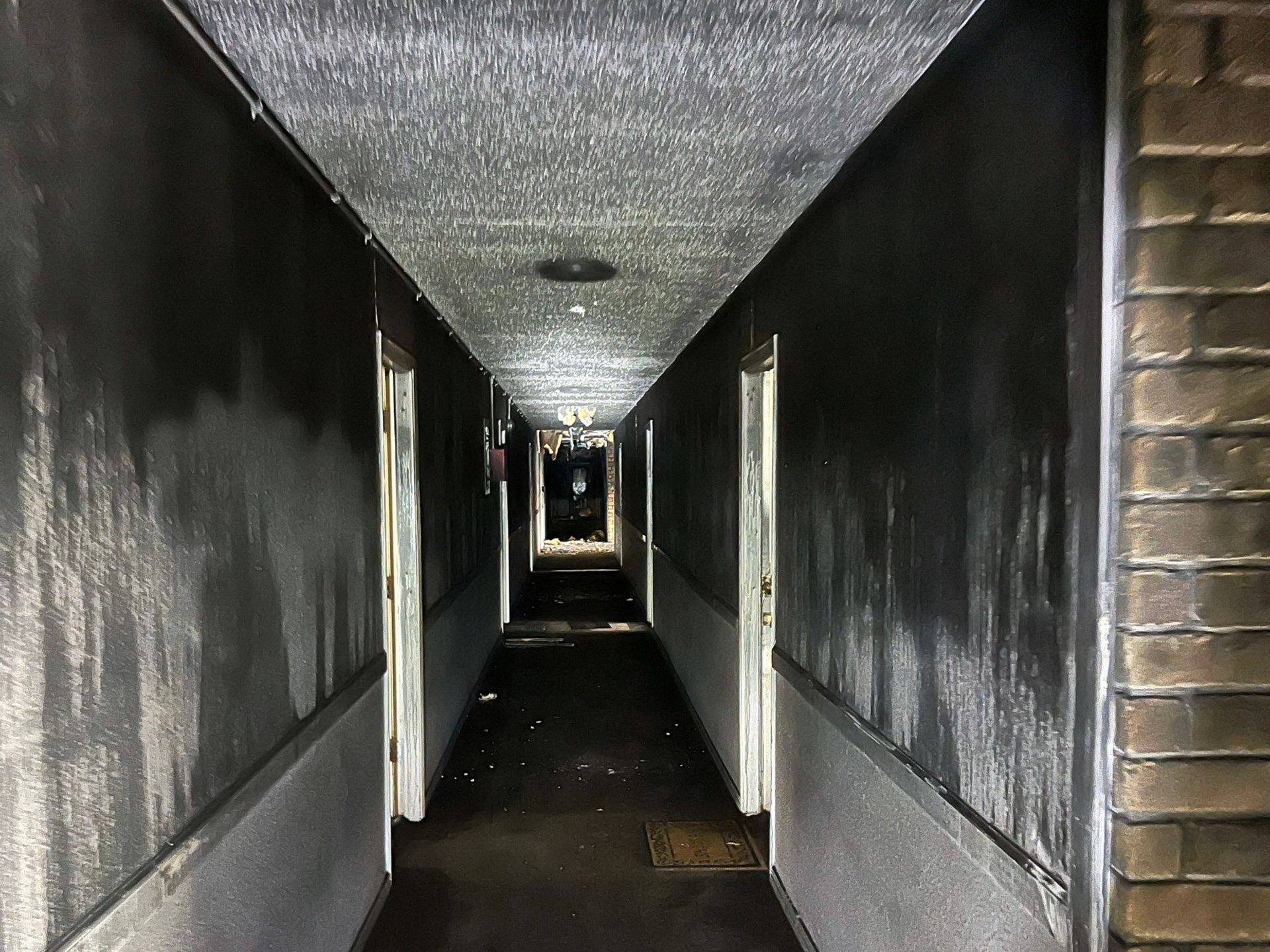
Once a fire is extinguished, damage continues to evolve. Heat can compromise structural components, weaken framing, and affect electrical systems. Smoke and soot settle into walls, ceilings, equipment, and HVAC systems, often spreading far beyond the original burn area.
At the same time, water used during firefighting efforts can saturate materials and introduce moisture into hidden spaces. When fire, smoke, and water damage are addressed individually instead of as part of a coordinated recovery plan, critical issues are often missed, leading to setbacks later in the restoration process.
How Can You Prevent Secondary Damage After a Commercial Fire?
Secondary damage is frequently what increases restoration costs and extends downtime. Moisture trapped inside walls, flooring, and insulation can cause warping, corrosion, or microbial growth if left untreated. Smoke residue that remains in place may continue circulating through air systems, creating persistent odors and indoor air quality concerns.
Early mitigation focuses on stabilizing the building environment, reducing moisture levels, and limiting the spread of contaminants. Addressing these risks early helps keep fire damage recovery moving forward and reduces the likelihood of long-term complications.
What Does Fire Damage Cleanup and Mitigation Involve for Businesses?
Fire damage restoration involves far more than surface cleaning. Specialized equipment is used to remove soot, neutralize smoke odors, and extract moisture from structural materials affected by both fire and suppression efforts. These steps help prevent lingering odors, corrosion, and moisture-related damage that can continue affecting a building long after the fire is out.
In many cases, containment measures are necessary to isolate affected areas and protect operational portions of the property. Containment helps control the spread of airborne contaminants while restoration work is underway.
By coordinating fire damage cleanup and mitigation efforts, restoration teams can reduce disruption and support continued operations where possible. This coordinated approach allows businesses to maintain continuity during recovery rather than facing a complete shutdown.
Managing Commercial Fire Recovery from Response Through Reconstruction
Fire damage recovery does not end with cleanup alone. For commercial properties, restoration must be coordinated across mitigation, reconstruction, and ongoing operations. At Guarantee Restoration Services, we manage each phase with the goal of reducing disruption, addressing underlying risks early, and supporting a smoother path back to normal business activity.
This approach helps commercial property owners and facility managers move through recovery with clearer timelines, fewer delays between phases of work, and greater confidence in the long-term outcome.