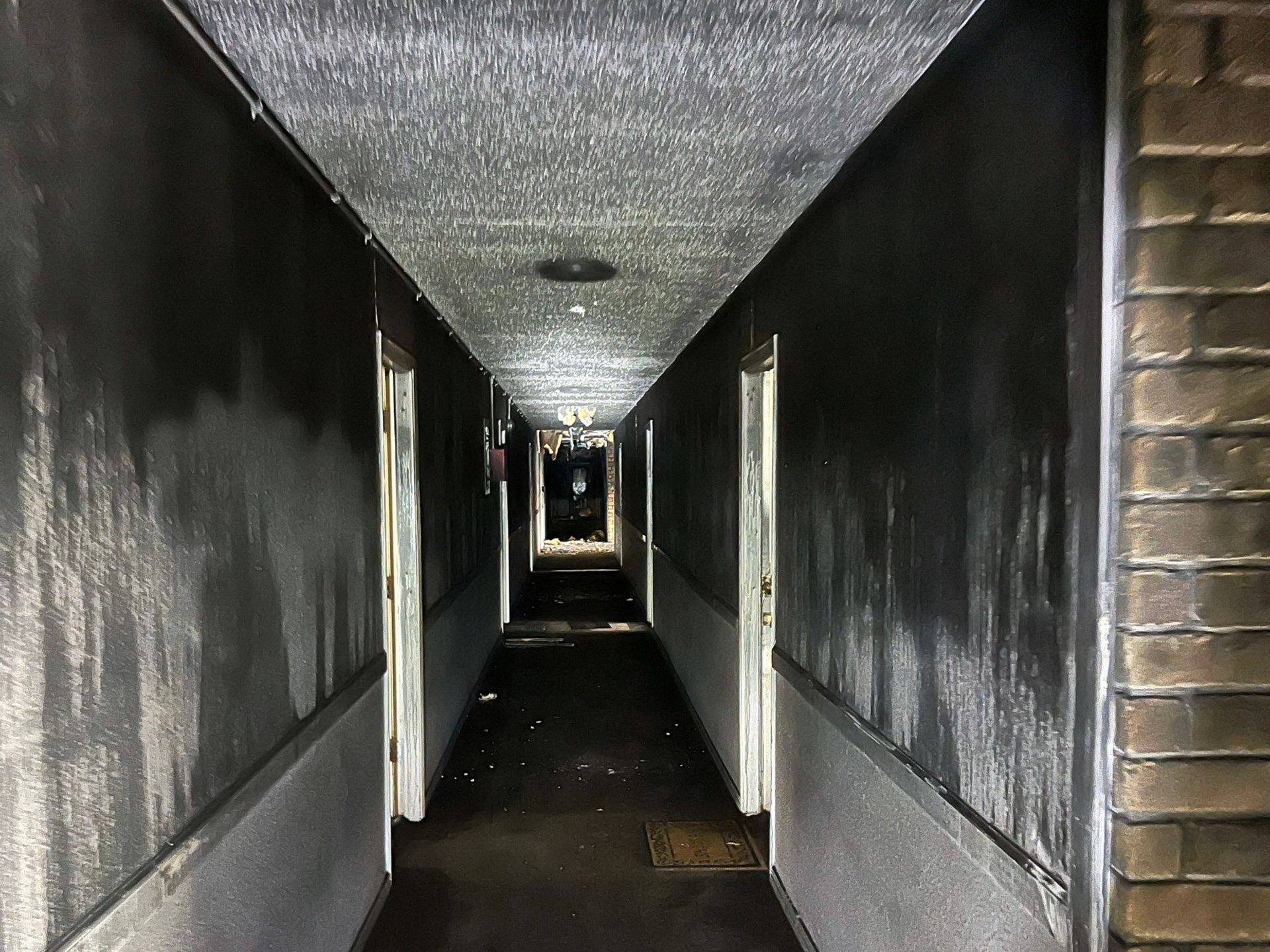
Understanding the Difference Between Mitigation and Restoration When Damage Occurs

Jordan Steib • November 6, 2024

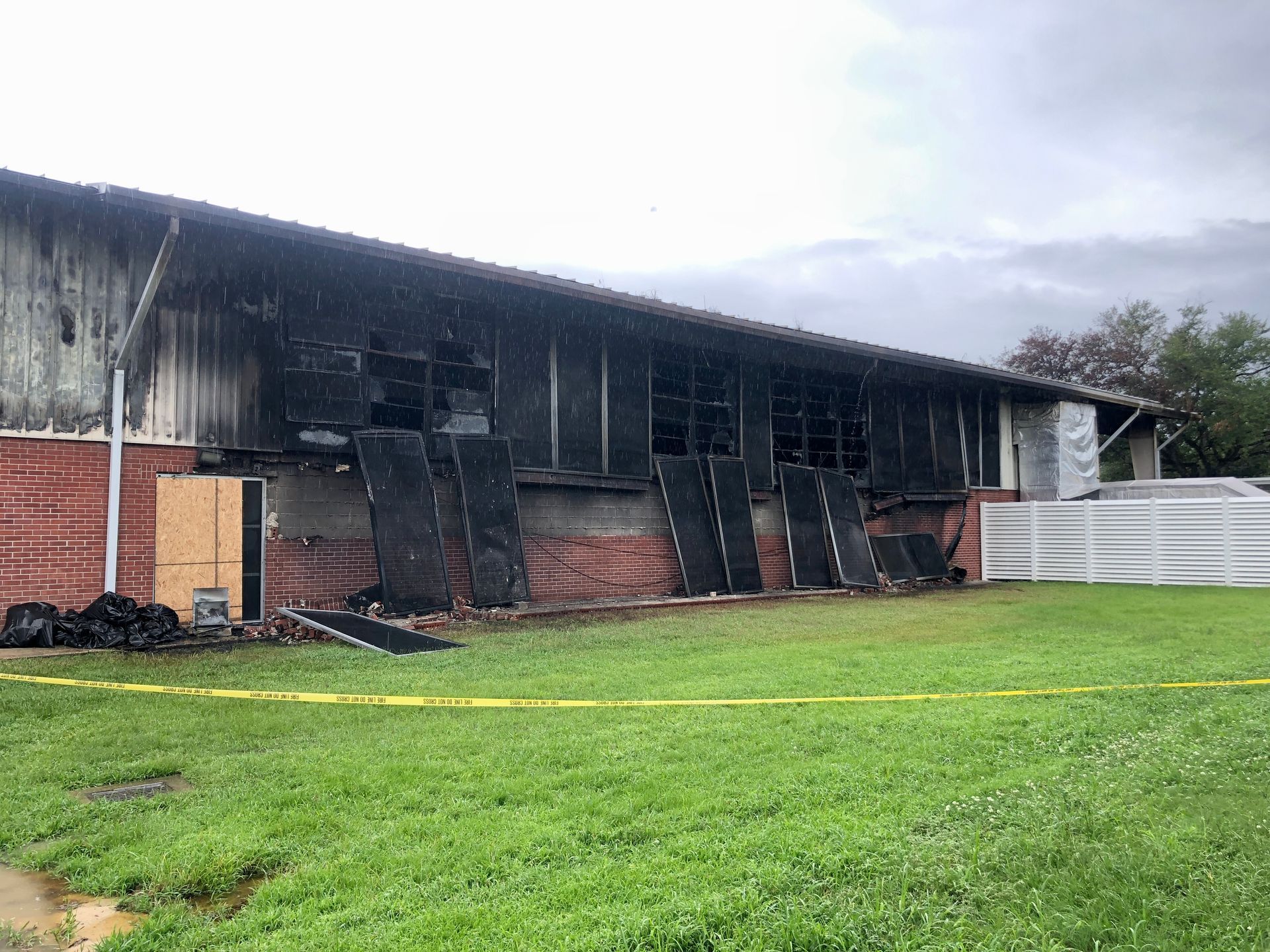
When your property experiences damage, whether from a burst pipe, storm, flood, fire or any other issue, two critical processes come into play: mitigation and restoration. Both are essential to returning your business to its pre-damage state, but they serve different purposes and occur at different stages of the recovery process. Understanding the difference between mitigation and restoration can help you make informed decisions and ensure that your property is properly taken care of.


What Is Disaster Mitigation?

Mitigation is the immediate response to damage. The primary goal of mitigation is to stop a disaster from causing further damage and to stabilize the situation as quickly as possible. It's all about damage control—taking swift action to prevent the situation from getting worse.


  • Water extraction: Removing standing water from the affected areas using specialized extractors, pumps and vacuums.
  • Drying and dehumidification: Using industrial air movers and dehumidifiers to dry out the property, reducing the risk of mold growth and structural damage.
  • Boarding up windows or tarping roofs: If the damage is due to a storm or flooding, covering damaged areas prevents further exposure to the elements.
  • Mold prevention: Mitigation teams often apply antimicrobial treatments to affected surfaces to prevent mold and mildew from developing.


The mitigation process focuses on short-term actions that prevent secondary damage like mold growth, warping, or deterioration of walls, floors, and belongings. It's a crucial step that lays the groundwork for the restoration phase.


What Is Disaster Restoration?

While mitigation is about immediate damage control, restoration focuses on bringing your property back to its pre-damage condition. Once the water has been extracted and the area has been dried, the restoration process can begin. This phase addresses the repairs and replacements necessary to rebuild and restore the space.


Restoration tasks typically include:

  • Repairing structural elements: This might involve replacing drywall, flooring, or insulation that was damaged beyond repair.
  • Replacing damaged belongings: Furniture, appliances, and personal items may need to be repaired or replaced if they were severely affected by the damage.
  • Deep cleaning: Restoration teams will thoroughly clean the property to remove any remaining contaminants or debris.
  • Final inspections: A professional inspection ensures that everything is back to code and the property is safe to inhabit once more.


Damage restoration is a longer-term process that can take days or even weeks depending on the extent of the damage. It involves skilled technicians and may require coordination between different tradespeople, such as carpenters, electricians, and painters.


Key Differences Between Mitigation and Restoration for Your Business

Although mitigation and restoration work together to repair damage, they have distinct differences:

  • Timing: Mitigation happens immediately after damage is discovered. Restoration begins once the mitigation process is complete.
  • Goals: Mitigation is about preventing further damage, while restoration is focused on repairing and rebuilding the damaged areas.
  • Duration: Mitigation is typically a shorter process, often completed within a day or two. Restoration, depending on the severity of the damage, can take much longer.
  • Techniques: Mitigation uses techniques like water extraction, drying, and mold prevention, while restoration involves more labor-intensive tasks like replacing materials and deep cleaning.


Why Both Commercial Mitigation and Restoration Are Necessary

Skipping the mitigation phase can lead to more severe and costly damage down the road. For example, failing to remove water properly could result in mold growth or compromised structural integrity. Similarly, jumping straight to restoration without adequately drying and treating the property can lead to hidden issues, like mold or weakened materials, that could require more extensive work in the future.


By addressing both mitigation and restoration, you ensure that your property is not only safe from further harm but also fully restored to its original state.


When dealing with damage, it’s important to understand that mitigation and restoration are two distinct, but equally vital, phases of the recovery process. Mitigation focuses on controlling and limiting the immediate damage, while restoration is the comprehensive repair and rebuilding effort that follows. Both processes, when handled professionally and efficiently, can help return business to its pre-damage condition as quickly and safely as possible.


The experts at Guarantee Restoration Services can help you in preparing for and recovering your company and assets from a variety of calamities. Reach out to Guarantee Restoration Services today for a consultation.
GET STARTED
By Adrianne Hungerford June 3, 2026
Hidden moisture can damage commercial buildings long before it's visible. Learn the risks, warning signs, and importance of professional mitigation.
By Jeremy Cryer May 27, 2026
On the Gulf Coast, preparation isn’t optional. It’s simply a part of doing business. From hurricane season to heavy rain events and everything in between, properties in Lafayette face a different level of risk than most. And when something does happen, the difference between a smooth recovery and a stressful situation often comes down to one thing: having a plan in place with the right team. Why Pre-Loss Planning Looks Different in Lafayette Pre-loss planning looks a little different here because the risks are different. It’s not just about knowing where your shutoffs are or having a list of contacts. It’s about understanding how quickly a storm can shift, how water can move through a property, and how to respond when multiple buildings or locations are impacted at once. That kind of preparation requires more than a template. It requires local knowledge. At Guarantee Restoration Services, our Lafayette team builds pre-loss plans with that in mind. We take into account the specific challenges that come with properties in Acadiana, including wind-driven rain, tornado threats, and the potential for widespread damage across an entire area. That allows us to create a plan that is realistic, not just theoretical. The Importance of Having a Clear Path Forward “We’ve seen how quickly things can escalate during a storm event. Having a pre-loss plan in place gives our clients a clear path forward instead of trying to figure it out in the middle of the chaos,” said Craig Rose, Mitigation Manager at our Lafayette Branch. That “clear path forward” is what makes the biggest difference. When a storm hits, response times are everything, but so is access. Roads can be blocked, power can be out, and communication can be limited. A strong pre-loss plan accounts for those variables and ensures that response efforts can begin as soon as it is safe to do so. Protecting Operations, Employees, and Tenants It also helps property teams stay focused on what matters most. Instead of trying to coordinate vendors, track down information, or make high-pressure decisions, they can follow a plan that has already been built around their property and their priorities. From a business standpoint, that level of preparation protects more than just the building. It protects operations, tenants, employees, and timelines. Building Trust Before Disaster Strikes “Pre-loss planning is about building trust before there’s ever a problem. Our clients know who to call, what to expect, and how we’re going to support them when something happens,” said Paige Hebert, Business Development Representative in Lafayette. That trust and familiarity matter, especially in a region where large-scale events can impact entire communities at once. You are not just calling a company, you are calling a team that already understands your property, your risks, and your expectations. Be Realistic. Be Ready. Pre-loss planning on the Gulf Coast is not about over-preparing. It is about being realistic and ready. Because when the next storm comes through Lafayette, it is not a matter of if you will need a plan—it is a matter of how well that plan works when it is put to the test. Call us today to schedule your Pre-Loss Planning meeting where 24/7 is not just a number… it’s a GUARANTEE!
By Shawn Folks May 20, 2026
When a disaster strikes and a loss happens, the clock starts immediately. The first 24 hours after a storm event or a fire loss are the most critical for any property. It is at this time that major decisions need to be made, the damage is either controlled or spreads, and the path to recovery is determined. These decisions are often rushed, unclear, and reactive without a plan in place. This is where having a pre-loss plan makes a measurable and meaningful difference. A pre-loss plan creates a clear starting point for you and your team instead of scrambling to figure out who to call, what steps to take, or how to protect the property. It removes reactive hesitation and replaces it with action to recover. Everyone involved knows their role and understands the process, allowing them to move quickly without second guessing. Speed matters in restoration. Water continues to spread; materials continue to deteriorate, and secondary damage, like mold, can begin in as little as 24 to 48 hours. The faster a response is initiated, the more damage can be contained. Pre-loss planning allows that response to begin immediately, not hours or days later. Other than fast action, it also brings clarity during a very chaotic and challenging moment. Property managers, facility teams, and business owners are not left out in the dark trying to make high-pressure decisions on the spot. Instead, they are following a plan that has already been thoroughly thought through, discussed, and tailored to their specific property’s needs. Communication can become fragmented without a plan. Another advantage to pre-loss planning is coordination. There are several moving parts including emergency services, restoration teams, and insurance carriers. Having a plan streamlines communication ensuring that everyone involved is aligned from the start. At Guarantee Restoration Services, pre-loss planning is designed to support the exact moment the dust settles. It’s not just about preparing documents to sign ahead of time; it’s about setting up our partners and clients to respond with confidence when it matters the most. From established points of contact to documented site conditions and response protocols, everything is built to protect time, reduce damage, and maintain control.  Many people think preparation is about preventing the worst from happening. Rather, it is about being ready when it happens. Because when those first 24 hours hit, you do not want to be figuring things out. You want to be executing a well-formulated, personalized plan for recovery. Call us today...where 24/7 isn’t just a number, it’s a GUARANTEE!
VIEW ALL BLOGS