How To Build A Containment Zone
Containments are a vital part of the remediation work our healthcare division does in many buildings, including hospitals and assisted living facilities. On this week’s blog, I am going to explain how to build a containment. Now, you may be wondering, what is a containment and what are they used for? Containments are built to control the migration of airborne mold spores or other biohazard materials, while the remediation expert works to return the affected area to normal conditions.
LIMITED AND FULL CONTAINMENTS
There are two types of containment, limited and full. In general, the size and type of containment needed is determined by the size of the contaminated area. If proper containments are not built, it can affect adjacent spaces to the work area and cause cross contamination, among other issues.
MANAGING AIRFLOW IN A CONTAINMENT
Now, I will break it down step-by-step. The first step is to install a HEPA-filtered Negative Air machine. This pulls air from the affected area and exhausts the contaminated air outside of the structure. Eventually, this creates a negative air environment.
Sometimes, the space may require creating positive airflow. Setting up positive air pressure is just as important in protecting unaffected areas, while affected areas are being remediated. Since sometimes negative pressure is difficult to achieve, positive air pressure is then created.
Lastly, Neutral Air Pressure is when airflow is contained to a certain space. Usually, neutral air flow is used when outdoor air is not favorable, outdoor access is not available, or negative and positive pressures are not practical.
INSTALLING PHYSICAL STRUCTURES
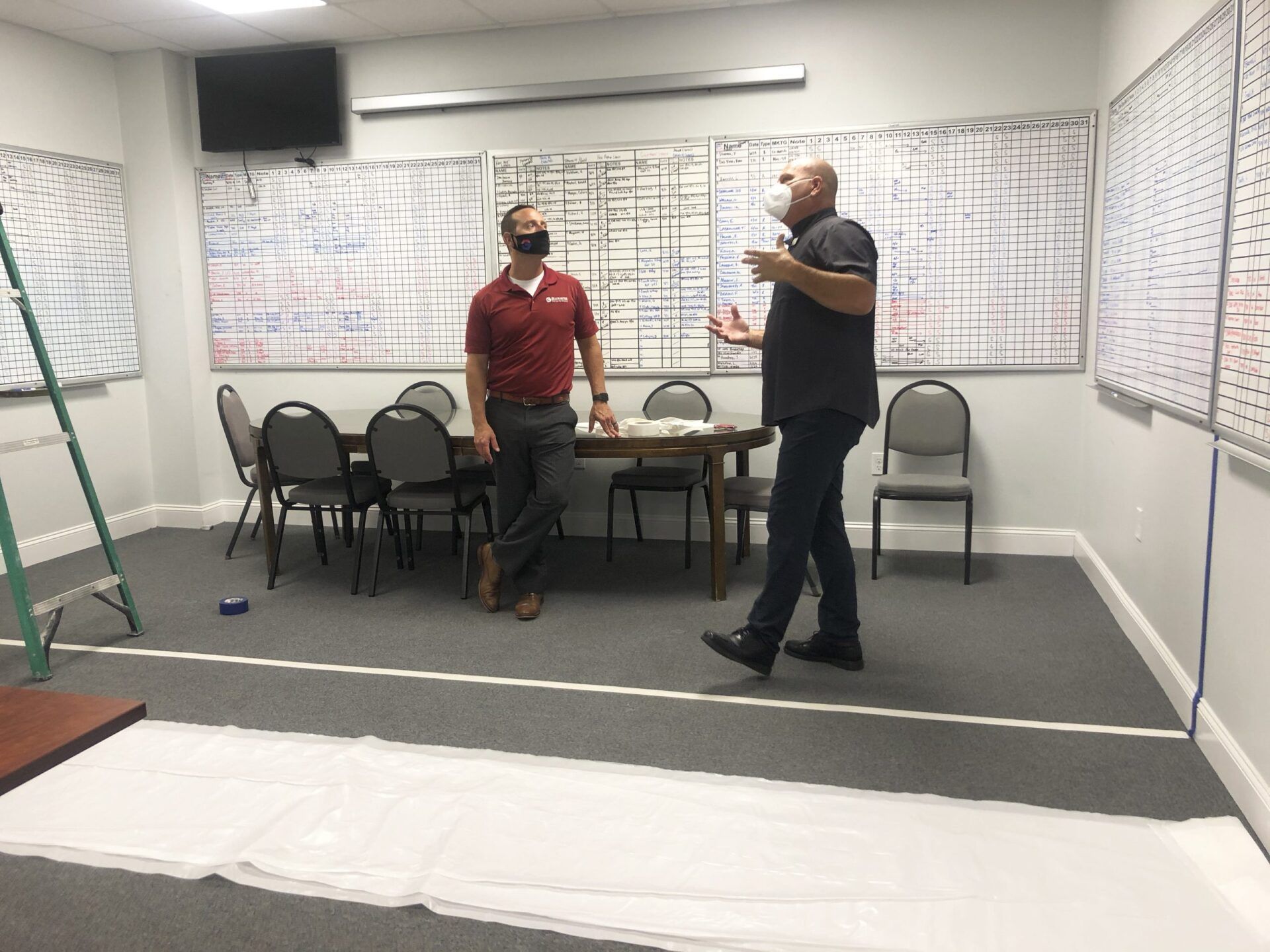
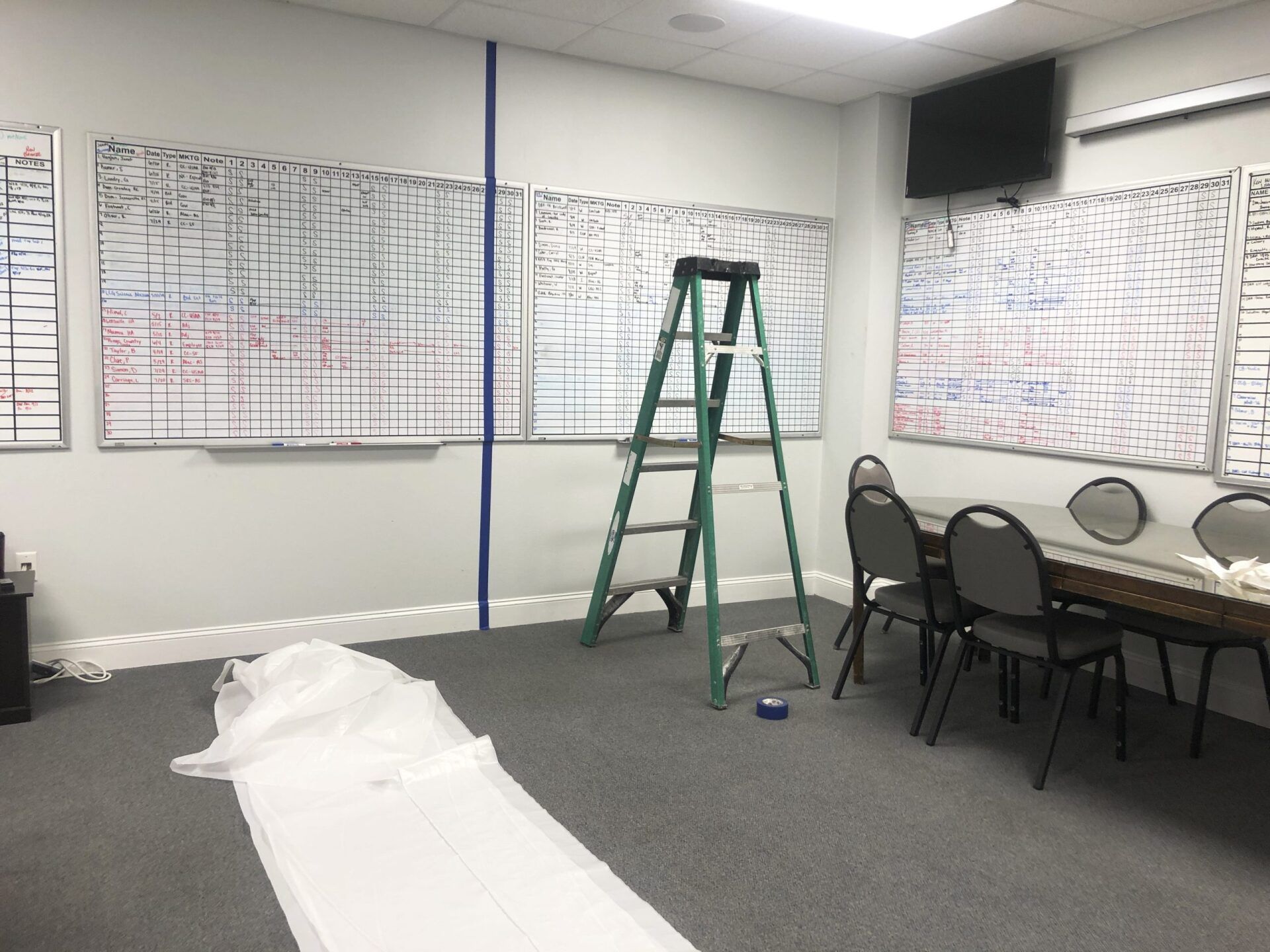
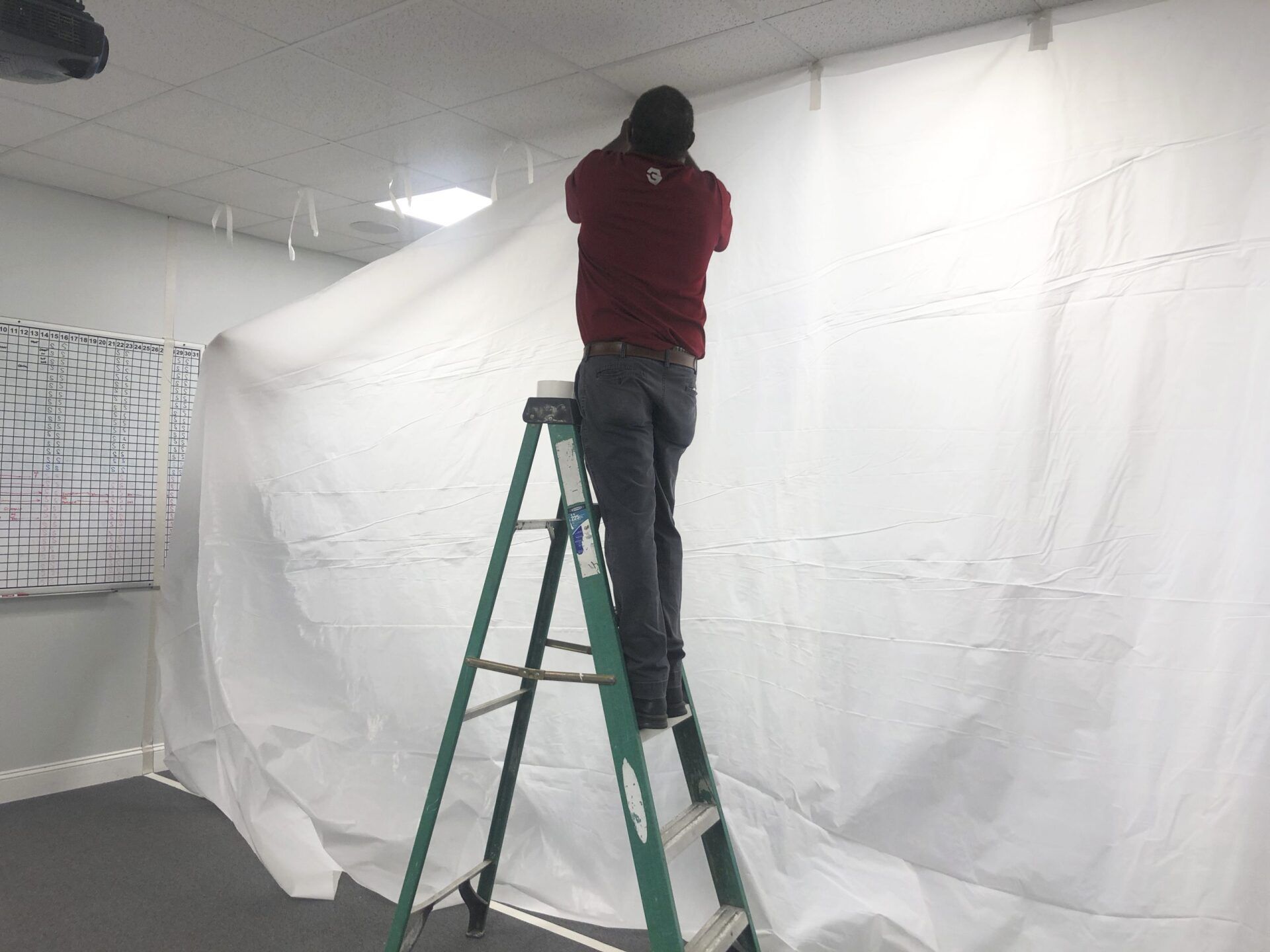
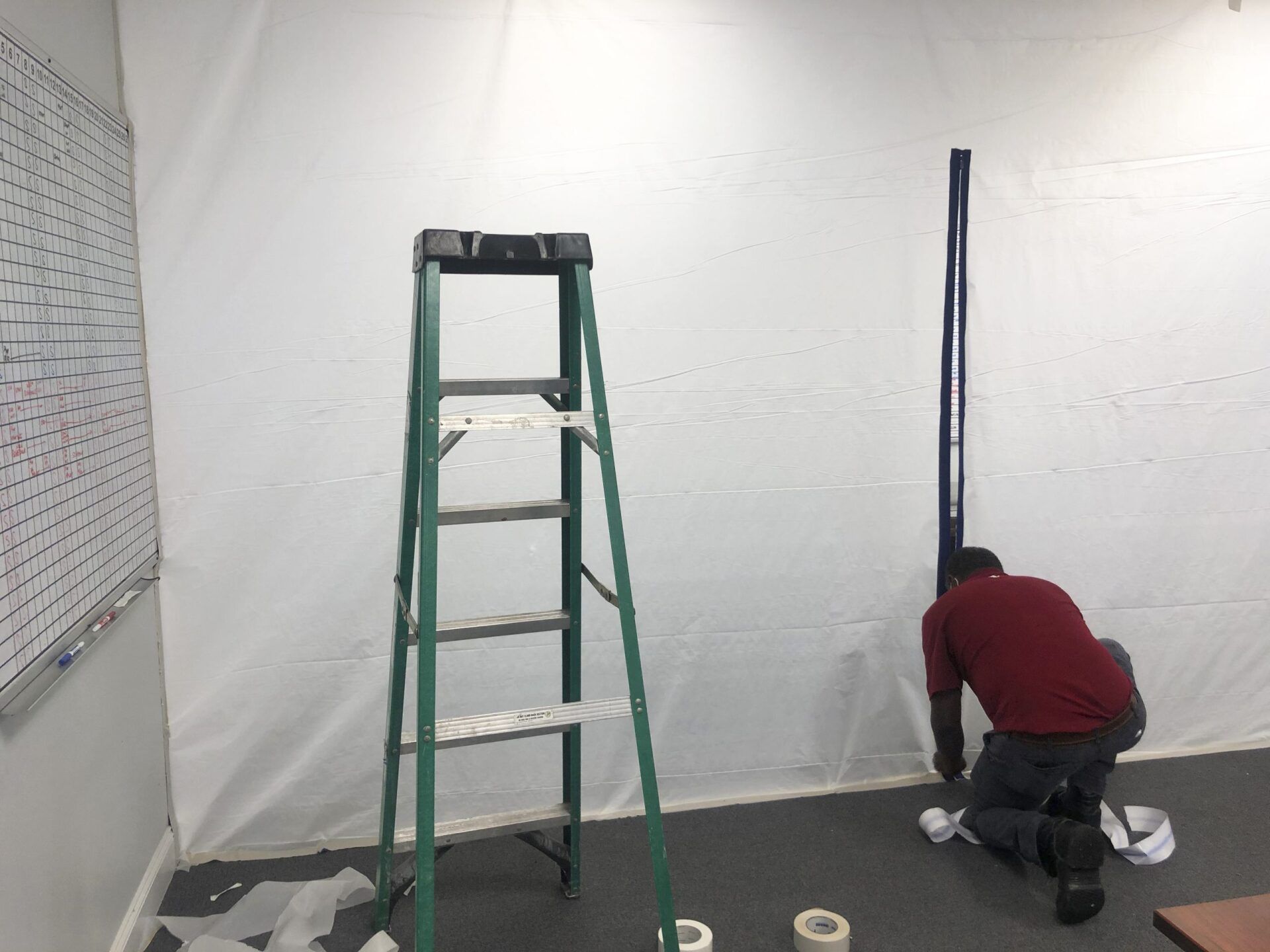
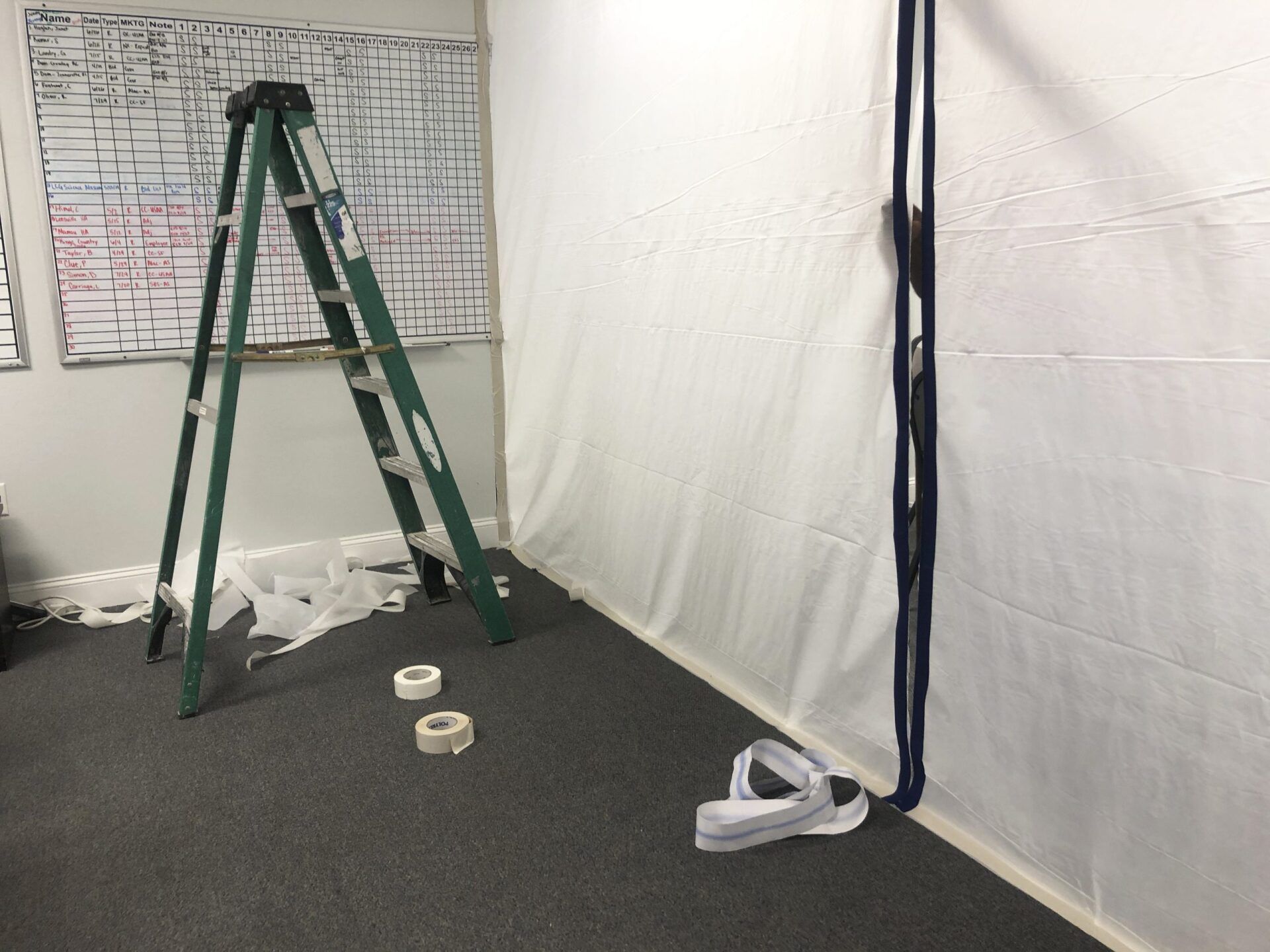
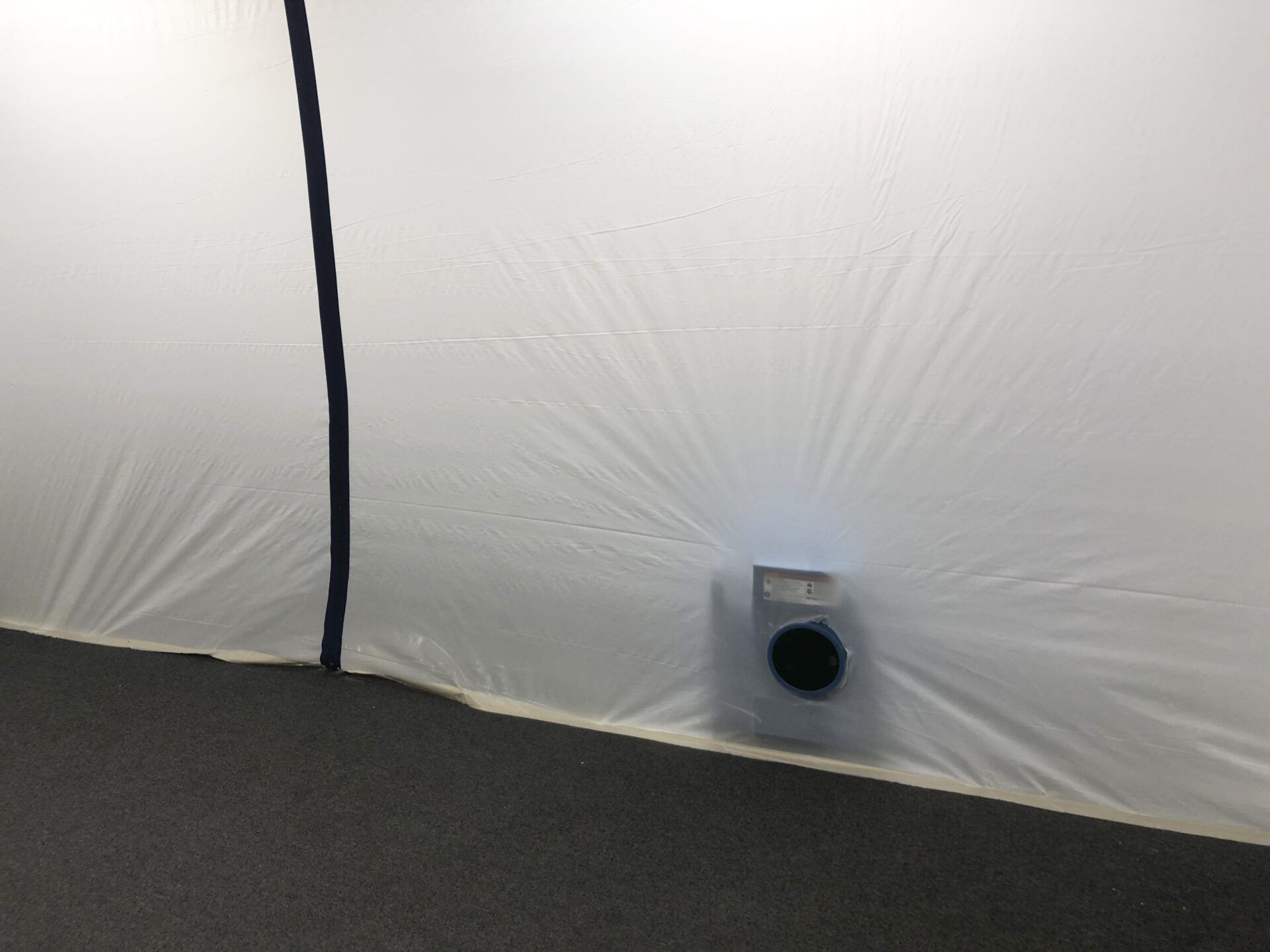
After the air machines are placed, the next step is to install physical barriers into the work area. Usually, this is done with a heavy plastic or polyethylene sheeting and tape. Bigger areas may need steel frames or wooden studs to secure the plastic material. The main goal here is to completely isolate the work area from any nearby, non-affected areas. All doorways, electrical outlets, light fixtures and any other areas that could allow airflow between the work area and non-affected areas, should be sealed.
Once the machines and physical barriers are installed, a negative pressure environment should be in effect. This means the air pressure within the workspace is less than the air pressure in the areas surrounding that space. Therefore, any mold spores that become airborne through the remediation process are in turn, controlled.
OTHER IMPORTANT MATERIALS
In addition to the establishing proper air pressure and building physical structures, it is important to utilize personal protective equipment, or PPE, during this process. Depending on the affected area, the remediation team member may need gloves, googles, a respirator a disposable suits, among other materials.
CONTACT GRS
Although it may seem like simple process, it is extremely important to build these containment spaces prior to mold or biohazard remediation. Our team of dedicated professionals is available 24/7, for any mold, water, fire or wind property damage that needs immediate attention. If your business or home has experienced mold growth or has been affected by biohazardous material, contact us at 1-800-349-HELP (4357) or email info@guaranteerestoration.net.