How Wildfire and Smoke Damage Affect Your Home: What You Need to Know
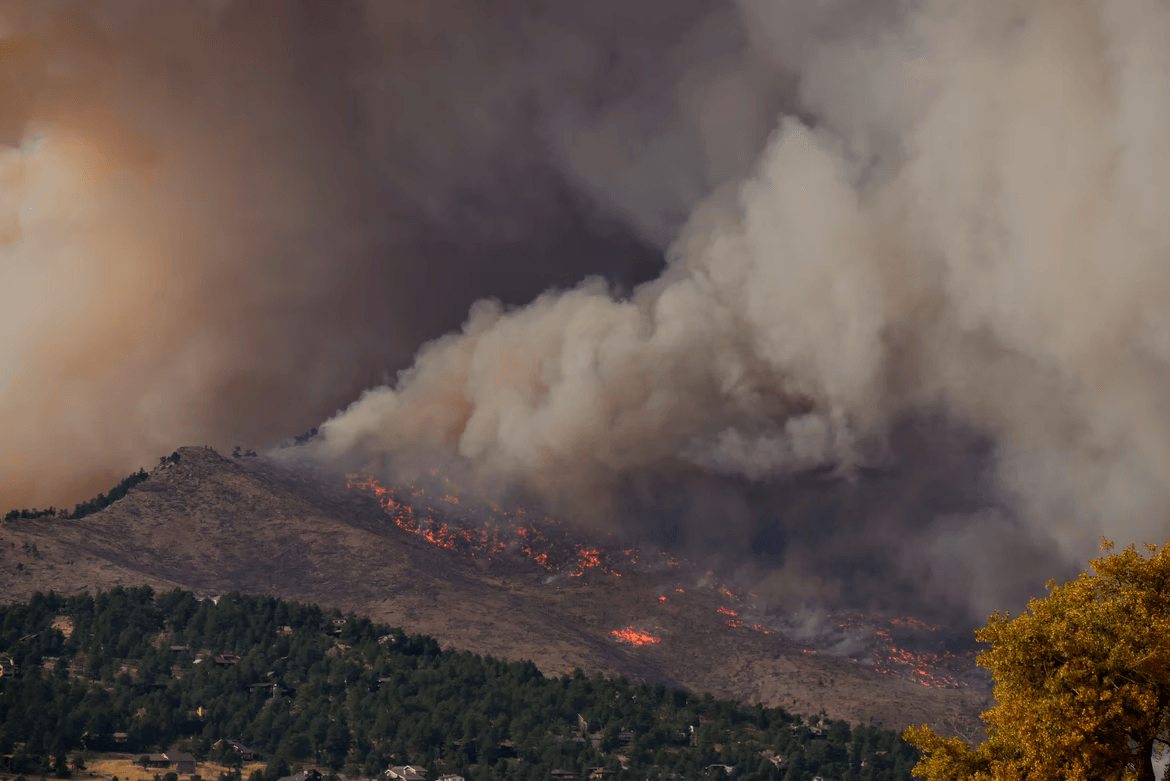
Natural and environmental hazards driven by climate change are becoming key considerations for today’s homebuyers. Each year, wildfires burn millions of acres across the U.S. and cause severe damage to buildings, homes, and communities. Few homeowners can imagine the devastation a wildfire could inflict on their property, but minimizing losses when disaster strikes is possible. Whether you live in an apartment in San Jose or are buying a house in Colorado Springs, it’s crucial to educate yourself on the damage wildfires and smoke can cause.
What precautions should you take to protect your home against wildfires and smoke damage?
Wildfires destroy an average of 14,000 homes each year and force tens of thousands of people to evacuate and seek shelter across the U.S. When living in wildfire territory, it’s essential to prepare an evacuation plan for you and your family. If possible, you should fireproof your home in advance of the wildfire season so if you need to evacuate, you’ll be able to quickly and safely leave your home.
There are a few things you can do to minimize the wildfire and smoke damage to your home:
- Shut off the gas at the meter, and be sure to turn off all pilot lights.
- Close all windows and doors, leaving them unlocked.
- Move furniture away from windows and doors.
- Remove flammable window treatments like curtains and shades.
- Turn off the air conditioning.
- Leave the lights on inside and outside of the house to make it easier to spot.
- Bring any outdoor furniture inside, shut off propane tanks, and don’t leave sprinklers on or water running.
- Wet down the roof, shrubs, and grass within 15-20 ft. of your home
“An ounce of prevention is worth pounds and pounds of cleaning. Acquire and store materials such as plastic sheeting or house wrap, so they are easily accessible for use later. If you’re facing evacuation, try to take a little time to seal up the home to prevent smoke intrusion while you are away,” says Bob Shupe of Cleaner Guys.
“Using a stapler and some pieces of cardboard as a washer, staple the sheeting material over windows, doors, and accessible vents to prevent smoke/soot from entering the home. If feasible, turn off appliances and mechanical systems that circulate air to further reduce the spread of particulates through the home.”
What are the dangers of a wildfire to a home?
If you’re planning on buying a home in wildfire territory, it’s important to ask the right questions to determine your level of wildfire risk. Whether you’re located in a low or high-risk zone, wildfires can cause significant damage to your home, and it’s essential to be aware of the potential hazards to protect it. The risk for wildfires is highest in locations where vegetation and homes meet and increases in extremely dry weather conditions (drought), extreme heat, and during high winds. Even if a home survives a wildfire, there can still be extensive fire and smoke damage.
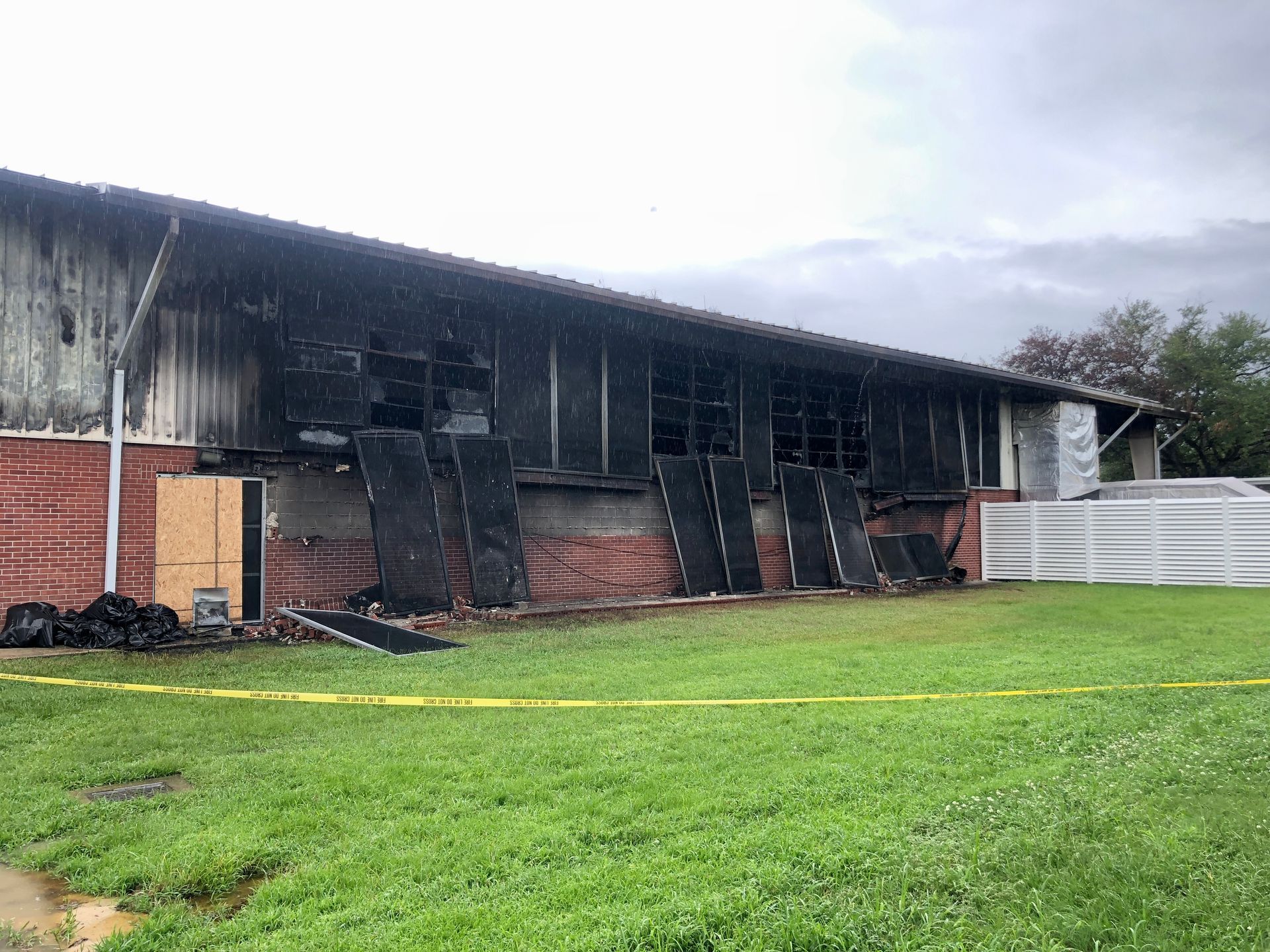
If the fire damage is severe, the foundation could crack, causing structural damage to your home. Depending on the intensity of the heat and smoke, there could be damage to the roof, walls, and windows. Appliances, furniture, and other household items or personal belongings can become discolored or burnt, while plants and outdoor spaces may become contaminated by smoke. It’s also important to remember that wildfires can make indoor air quality extremely unhealthy and dangerous, just as it does with outdoor air quality. However, the dangers to a home ultimately depend on the proximity and intensity of the fire and smoke.
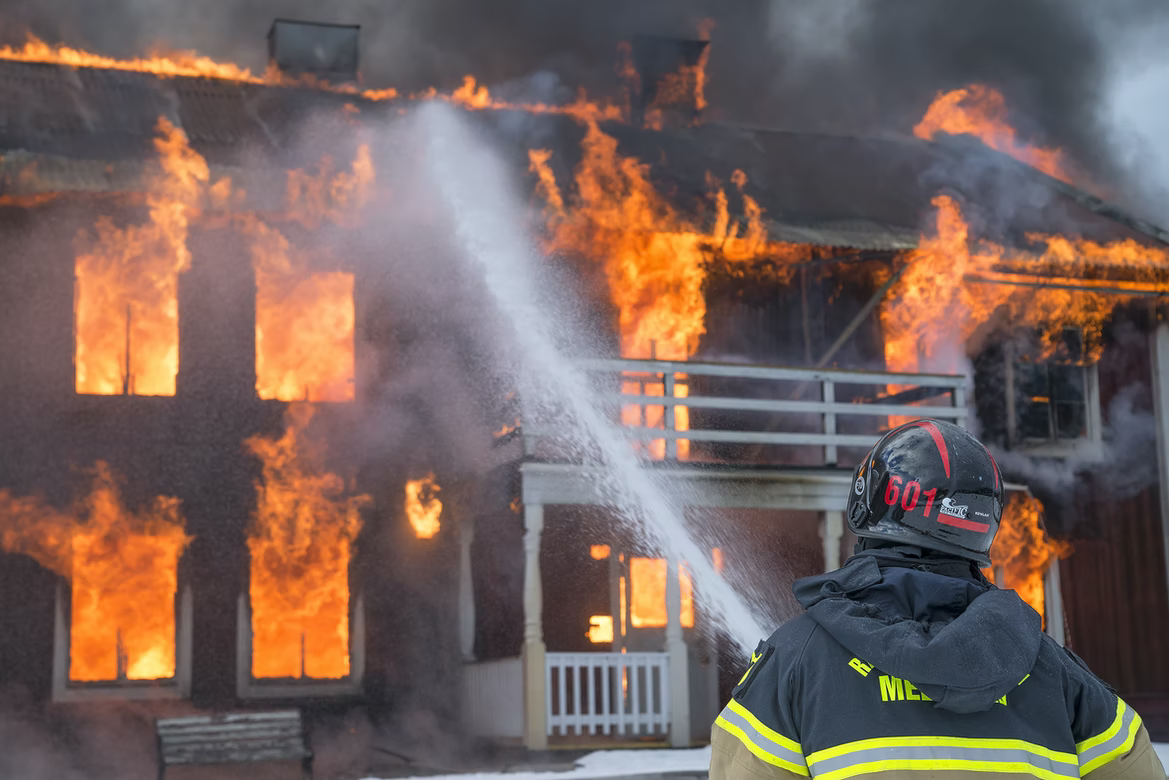
Wildfire damage restoration and repair
Restoring your home from fire damage can be challenging. Before you start cleaning up, be sure to contact your homeowner's insurance company. You’ll want to inform them of the damages, so they can help you file a claim (most homeowners insurance policies cover damage to your home and belongings caused by wildfire; however, coverage can vary by location and by policy).
Once it’s deemed safe to return to your home, taking on the cleanup on your own can be dangerous, so it’s best to contact restoration and remediation professionals. Fire damage restoration addresses the damage caused by fire, smoke, and water, and you’ll want professional help to prevent any lasting damage to your home.
“Don’t touch, move, or disturb anything until the fire department has cleared the scene and the insurance adjuster has done their work,” advises Clarke Contractors. “If you do so beforehand, you risk causing more damage to your home or losing out on part of your claim because you disturbed the original state of the property.”
Fire damage restoration and cleanup process: What to do and who to contact
1. Secure and assess the property
It’s important to first secure your property once the fire department says it’s safe. Depending on the extent of the damage, doors and windows may need to be boarded up to prevent any further damage or theft while your home is unattended. The air quality will be dangerous and unhealthy, so protective gear - such as masks, protective clothing, gloves, and breathing equipment - might be necessary for anyone entering the home.
The restoration and remediation company will then assess your home and surrounding property. In order to come up with a clean-up and restoration plan, it’s essential to understand the full scope of the damage.
Guarantee Restoration Services adds, “Ensure that the restoration and remediation company you hire fully understands the insurance process and can work with your insurance company/adjuster as an advocate for you and your property. After catastrophic events, there are a lot of “fly by night” companies, so do your due diligence and vet the company before hiring.”
2. Remove harmful or unsalvageable items from your property
Your property will then be assessed for items that can be cleaned and salvaged and items that need to be discarded. This may be one of the more challenging steps in the restoration process for you and your family since you might have to part ways with sentimental items if they’re deemed dangerous to your health.
These types of household items should be thrown out:
- Food and beverages, both perishable and non-perishable.
- Burned clothing, bedding, etc.
- Medicine and/or cosmetics showing signs of soot, smoke discoloration, or dust from a fire extinguisher.
3. Extract water to prevent further damage
Due to the fire-fighting process, there will likely be water damage in addition to the fire and smoke damage. If this is the case, the next step in the fire damage restoration process is to remove the water and let your home be dehumidified and dried. It’s best to do this as soon as possible to avoid additional damage to the structure of your home. You want to decrease the chance of mold forming.
“Insurance companies will always scrutinize secondary damage that could’ve been avoided. And because preventing secondary water damage is the homeowner's responsibility, you’ll want to get a professional out to your home to help,” says Dan Oppedisano of Bedrock Restoration. “Some ways to prevent secondary damage include extracting any bulk/standing water, as well as placing commercial grade dehumidifiers and air scrubbers with HEPA filters.”
4. Remove debris and demolish areas with irreparable damage
It’s difficult to continue the restoration process when large amounts of debris are in the way, such as damaged drywall, ceilings, flooring, etc. If it’s unsalvageable or easier to replace than repair, it should be quickly and safely removed so that the restoration process can begin.
5. Address smoke damage; then clean up soot and other harmful byproducts of the fire
In order to thoroughly clean up your home after a wildfire, smoke damage and soot residue will need to be cleaned. If not addressed quickly, permanent discoloration or staining may occur.
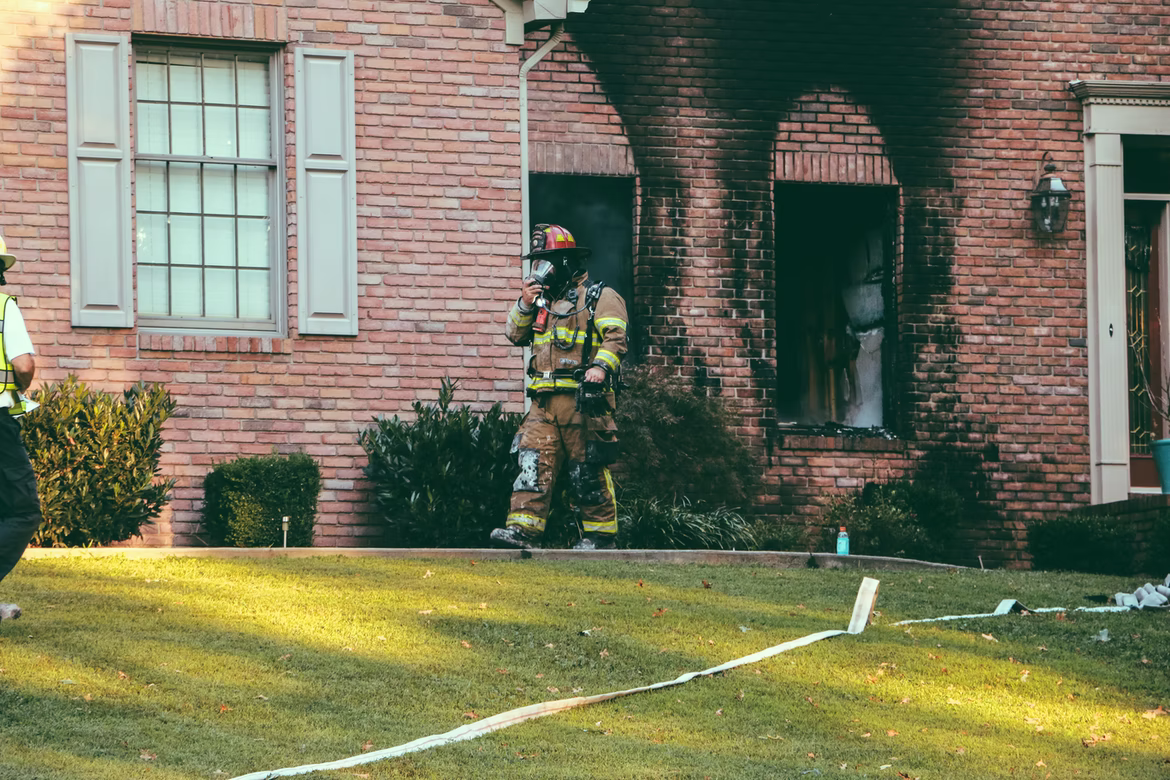
Smoke damage restoration and repair: How to clean smoke damage
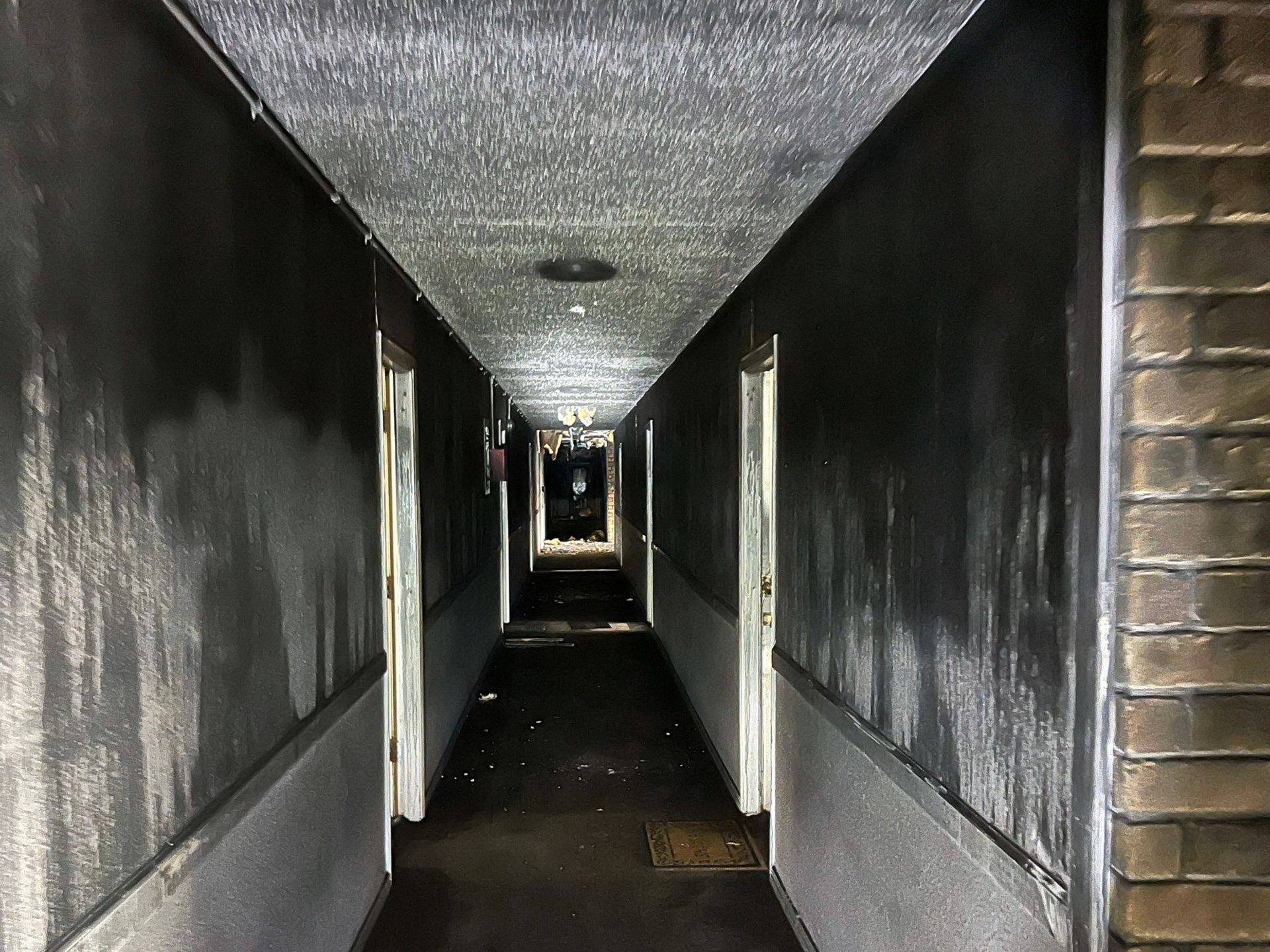
Even if your home doesn’t come in direct contact with fire, there can still be severe damage or destruction from smoke. When it comes to smoke damage, the quicker you clean up the smoke and soot, the better. If left unaddressed for too long, smoke can react similarly to acid and destroy different materials in your home. And because smoke particles are so small, they can sneak into cracks throughout the house which could leave harmful contamination and your home smelling of smoke.
1. Air out your home
Make sure your home receives thorough ventilation so lingering smoke won’t further settle into your belongings. Open up all windows and doors to air out your house. To further help with ventilation, you can turn on fans throughout your home. Box fans placed in windows should be facing out to help recirculate clean, fresh air into your home. You’ll want to change the air filters in your home’s HVAC system to ensure clean air is circulating and to fully remove the smoke smell from your home.
2. Determine if items can be cleaned and salvaged or if they should be thrown out
Even if some items appear to be salvageable, it may be more costly to restore them than to replace them. While certain items - such as clothes - may be easily cleaned, other items must be discarded. For example, smoke can severely damage appliances or electronics. Even if they appear to be functioning initially, they might stop working shortly after due to damage to sensitive electrical circuits. If you’ve hired a professional restoration and remediation service, they can advise you on what to keep and what to toss out.
3. Clean surfaces thoroughly
Use proper cleaning materials and protective gear to remove any loose soot clinging to walls, floors, and other surfaces, saving your ceilings to be washed last. There are plenty of odor-neutralizing cleaning products that you can use to help get rid of the smoke smell in your home that will also tackle the smoke damage. You can use a mixture of warm water and vinegar to clean most surfaces, followed by rinsing with clean water.
4. Clean bedding, clothing, and other textiles
Depending on how strong the smoke odor is, washing bedding and clothing regularly may do the trick. However, if the smoke smell is still lingering even after this, you’ll want to have it professionally cleaned with commercial cleaning products.
5. Clean upholstery and curtains
When it comes to upholstery cleaning, you’ll want to be sure you’re using the correct cleaning products and tools for the specific material. If you’re going to take a DIY cleaning route, start by washing removable covers and scrubbing the smoke smell out with baking soda. Let the baking soda sit for about 20 minutes.
6. Deodorize and clean your floors
If the fire and smoke damage are severe, you may decide to refinish or completely replace the flooring.
- Hardwood: With hardwood floors, there’s the possibility that smoke and soot have settled. Mop your floors with hardwood-specific cleaning products. You may have to repeat the process a few times.
- Carpet: When cleaning and getting the smoke smell out of the carpet, start by vacuuming to pick up any layers of ash and residue. Then, sprinkle baking soda and let it sit overnight, vacuuming again the next morning. Baking soda is a great deodorizer and will provide some immediate relief from the smoke smell. Having your carpets professionally steam-cleaned can also help to fully remove the odor.
- Tile: If the tile is sealed or glazed, it should be resistant to any staining from soot, so you can simply scrub the tile clean with soap. However, if the tile is not sealed or glazed, it can easily stain. You’ll need to use a soft scrub brush (not a sponge) and scrub in small circles to give the tiles a deep cleaning.
Originally published on Redfin